


Related Posts
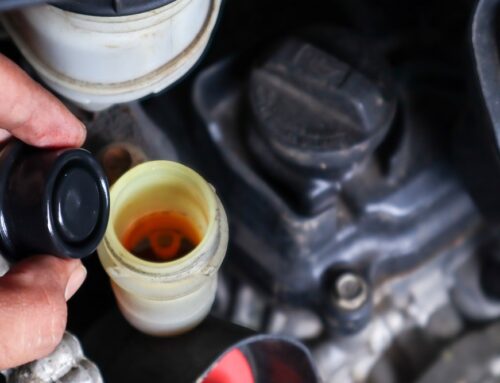
When Radiator Repair or Replacement Is the Right Fix for Overheating Problems
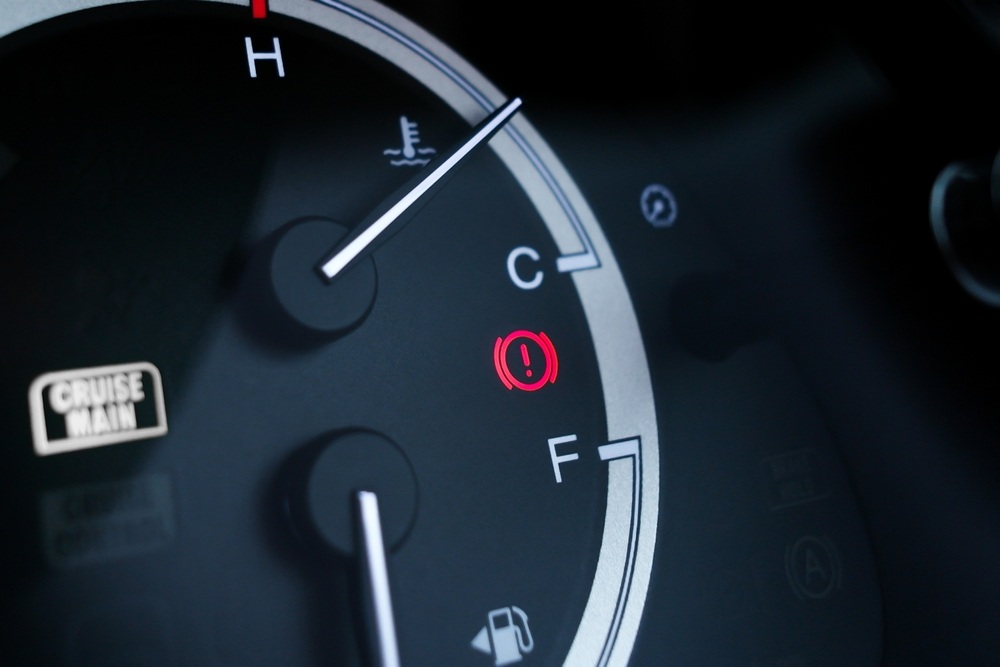
Seeing your temperature gauge creep higher than normal is never something to ignore. Even if it drops back down after a few minutes, overheating is often an early signal that your cooling system is struggling. You may notice this happening during traffic, when driving uphill, or on warm afternoons, which can make it feel inconsistent or unpredictable. However, engine heat rarely spikes without a reason. Coolant leaks, restricted flow, or weakened cooling components can all cause temperatures to climb. When this keeps happening, the radiator is usually at the center of the issue. Understanding what your vehicle is trying to tell you helps you act before heat turns into serious engine damage that affects reliability and performance.
How the Radiator Keeps Engine Heat Under Control
Every time you drive, your engine generates intense heat from combustion and friction. The radiator’s job is to manage that heat so your engine stays within a safe operating range. Coolant absorbs heat as it circulates through the engine, then flows into the radiator, where it releases that heat into the air. Thin metal passages and fins enable efficient transfer. When the radiator is clean and intact, this cycle runs smoothly. Over time, though, corrosion, debris, or internal buildup can restrict coolant flow. Bent fins or damaged tanks can reduce airflow. When heat can’t escape efficiently, temperatures rise quickly, especially during stop-and-go driving or longer trips.
When Radiator Repair Can Restore Proper Cooling
Not every overheating issue means the radiator needs to be replaced right away. In many cases, repair is enough to restore cooling performance. Small leaks at connections, hoses, or seams can often be corrected before they worsen. Radiators that are partially blocked by mineral deposits or debris may benefit from a thorough cleaning or flushing. You might notice overheating only under certain conditions, such as idling too long or climbing hills, which can point to restricted flow rather than total failure. Addressing these issues early helps keep the existing radiator working properly while avoiding more extensive repairs later.
When Replacement Becomes the More Reliable Solution
There are situations where repair is no longer the best option. Radiators that show heavy corrosion, cracked tanks, or repeated leaks often reach a point where fixes don’t last. Internal damage that limits coolant circulation can also make replacement the smarter choice. If your vehicle continues to overheat even after repairs, that’s a sign the radiator can no longer handle the demands placed on it. Installing a new radiator restores full cooling capacity and helps protect the engine from repeated heat stress. While replacement may seem like a bigger step, it often saves money and frustration by preventing recurring overheating issues.
Preventing Engine Damage With Timely Cooling System Service
Overheating affects far more than just the radiator. Excess heat can warp engine components, damage seals, and lead to costly internal repairs. Paying attention to warning signs and addressing cooling problems early helps keep your vehicle dependable and extend engine life. Whether the solution involves radiator repair or full replacement, the goal is stable temperatures and consistent performance. If you want service backed by knowledge and proven results, call (858) 524-6236 or fill out our online form to schedule your engine and radiator service with Rancho Bernardo Auto Care today.