



Related Posts



What Causes Check Engine Light Issues and When to Get Diagnostics Done
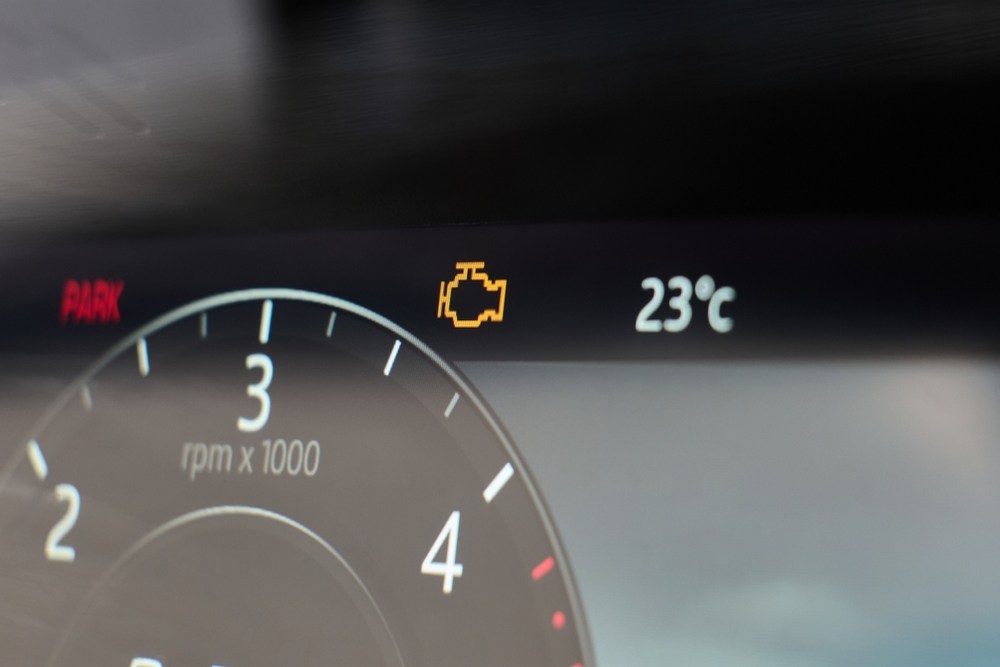
When your check engine light turns on, it’s your vehicle’s way of alerting you that something needs attention. You might feel tempted to ignore it, especially if your car seems to be driving normally, but that small warning can point to a wide range of issues. Your vehicle’s onboard system constantly monitors performance, emissions, and key components, and when something falls outside the expected range, the light appears. It could be something minor, like a loose gas cap, or something more serious that affects how your engine runs. Taking this signal seriously helps you stay informed about your vehicle’s condition and gives you the chance to address concerns before they escalate into more expensive repairs.
Common Causes Behind a Check Engine Light
There are several reasons why your check engine light may come on, and understanding the possibilities can help you respond appropriately. One of the most frequent causes is an issue with the emissions system, such as a faulty oxygen sensor or a catalytic converter problem. You may also be dealing with worn spark plugs, ignition coil issues, or airflow problems that affect how your engine burns fuel. Even something as simple as a loose or damaged gas cap can trigger the light because it disrupts fuel system pressure. Since the causes can vary so widely, guessing is never a reliable approach. Getting an accurate diagnosis ensures you know exactly what your vehicle needs.
When the Light Signals Immediate Attention
Not all check engine light warnings carry the same level of urgency, so it’s important to recognize when immediate action is necessary. If the light is steady, it usually indicates an issue that should be checked soon, but your vehicle may still be safe to drive for a short time. However, if the light starts flashing, that’s a more serious warning, often indicating a misfire or a problem that could damage your engine if you continue driving. You might also notice rough idling, reduced power, or unusual vibrations along with the light. These symptoms should never be ignored, as they can quickly lead to more severe damage and leave you stranded if left unaddressed.
Why Timely Diagnostics Make a Difference
Scheduling a diagnostic check as soon as your check engine light appears can save you time, money, and stress. Modern diagnostic tools can quickly read the codes stored in your vehicle’s system, giving clear insight into what’s causing the issue. Without proper diagnostics, you’re left guessing, which can lead to unnecessary part replacements or missed problems. Addressing the issue early also helps maintain your vehicle’s fuel efficiency and overall performance. When your engine is running properly, you experience smoother acceleration, better mileage, and fewer unexpected breakdowns. Taking a proactive approach ensures that small issues are resolved before they become more complex repairs.
Stay Ahead of Engine Issues with Professional Support
Your vehicle is something you rely on every day, and staying attentive to warning signs like the check engine light helps you keep it running at its best. When you respond quickly and choose professional diagnostics, you gain a clear understanding of what’s happening under the hood and what steps are needed to fix it. If your check engine light has turned on or you’ve noticed changes in how your car performs, now is the time to have it checked. Call Rancho Bernardo Auto Care at (858) 842-9818 or fill out the online form to schedule a complete diagnostic inspection. Stay ahead of potential issues and drive with confidence knowing your vehicle delivers the performance, control, and reliability you depend on every time you get behind the wheel.