



Related Posts
What Causes Check Engine Light Issues and When Diagnostics Matter Most
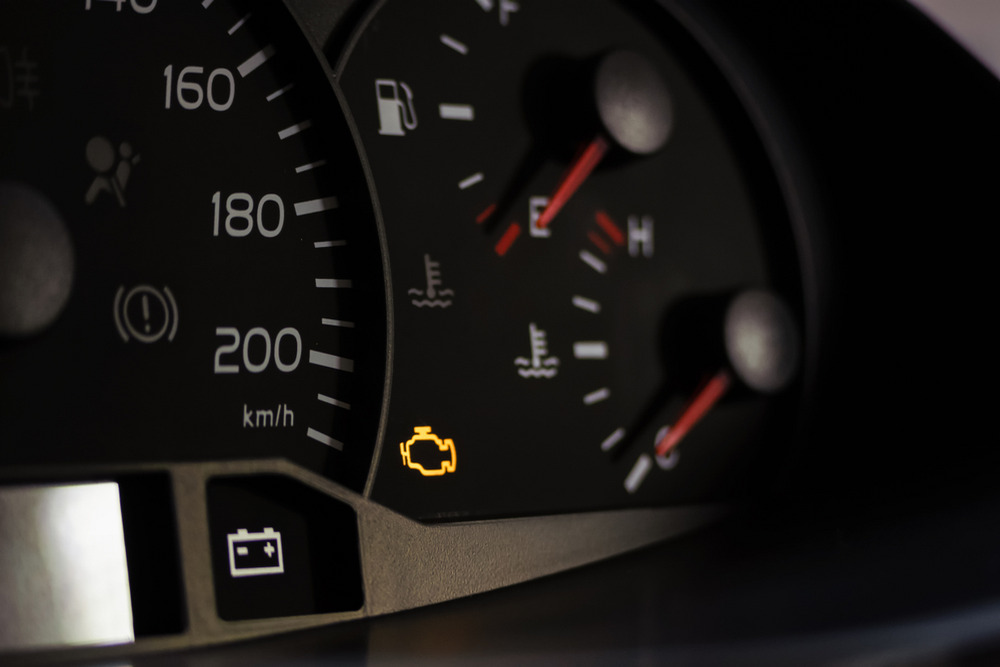
When your check engine light turns on, it’s your vehicle’s way of alerting you that something isn’t working as expected. This warning can be triggered by a wide range of issues, from minor sensor irregularities to more serious engine or emissions concerns. While it may be tempting to ignore the light if your car seems to run normally, doing so can lead to bigger problems over time. Your vehicle’s onboard computer constantly monitors performance, and when it detects something outside of normal parameters, it stores a trouble code and activates the light. Paying attention to this signal lets you address potential problems early and maintain consistent performance every time you drive.
Common Causes Behind Check Engine Light Activation
There are several reasons why your check engine light may come on, and some are more common than others. A loose or damaged gas cap can trigger the light by affecting the fuel system’s pressure. Faulty oxygen sensors, worn spark plugs, or issues with the catalytic converter can also trigger the warning. In some cases, problems with the mass airflow sensor or the ignition system can reduce efficiency and performance, prompting the light to turn on. Each of these components plays an important role in how your vehicle runs, and even a small malfunction can disrupt the balance of your engine’s operation. Identifying the exact cause requires more than guesswork, which is why proper diagnostics are essential.
Why Ignoring the Warning Can Lead to Bigger Problems
Driving with an active check engine light may not always result in immediate breakdown, but it increases the risk of more serious damage over time. What starts as a minor issue can quickly escalate if the underlying cause is left unresolved. For example, a failing sensor might affect fuel efficiency, while a more serious engine problem could lead to overheating or internal damage. In addition, unresolved issues can increase emissions and reduce overall vehicle performance. Addressing the warning as soon as it appears helps you avoid more expensive repairs and keeps your car operating smoothly. Staying proactive with these alerts is one of the simplest ways to protect your vehicle’s long-term reliability.
The Importance of Professional Diagnostic Testing
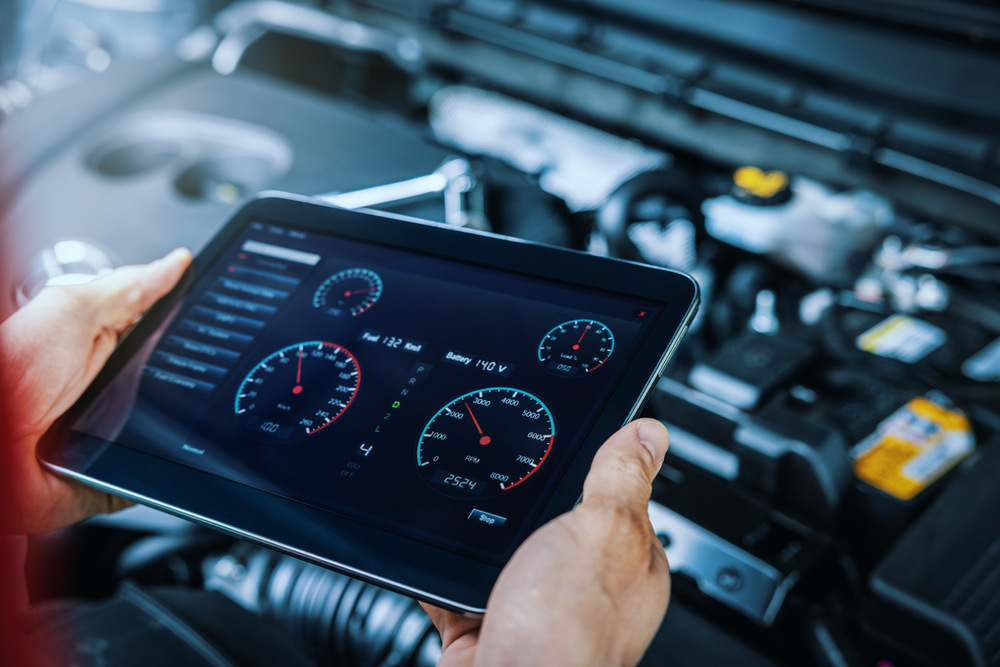
When your check engine light comes on, professional diagnostic testing provides clear answers about what’s happening under the hood. Using advanced equipment, technicians can read stored trouble codes and analyze real-time data from your vehicle’s systems. This process allows you to pinpoint the exact issue instead of relying on assumptions or temporary fixes. Accurate diagnostics save time and prevent unnecessary part replacements, ensuring that the right repairs are made the first time. With a proper evaluation, you gain a better understanding of your vehicle’s condition and can make informed decisions about the next steps needed to restore performance.
Get Answers and Keep Your Vehicle Running Strong
If your check engine light has turned on or you’ve noticed changes in your vehicle’s performance, it’s important to have it inspected without delay. Rancho Bernardo Auto Care offers comprehensive diagnostic services to identify the cause of the issue and recommend the appropriate solution. You can call (858) 304-7946 or fill out the online form to schedule an appointment and have your vehicle checked by experienced technicians. Taking care of check engine light concerns early helps you avoid costly repairs and keeps your vehicle running efficiently and reliably on the road.