


Related Posts
What Are the Common Signs of Catalytic Converter Problems?
Understanding Why Your Catalytic Converter Matters
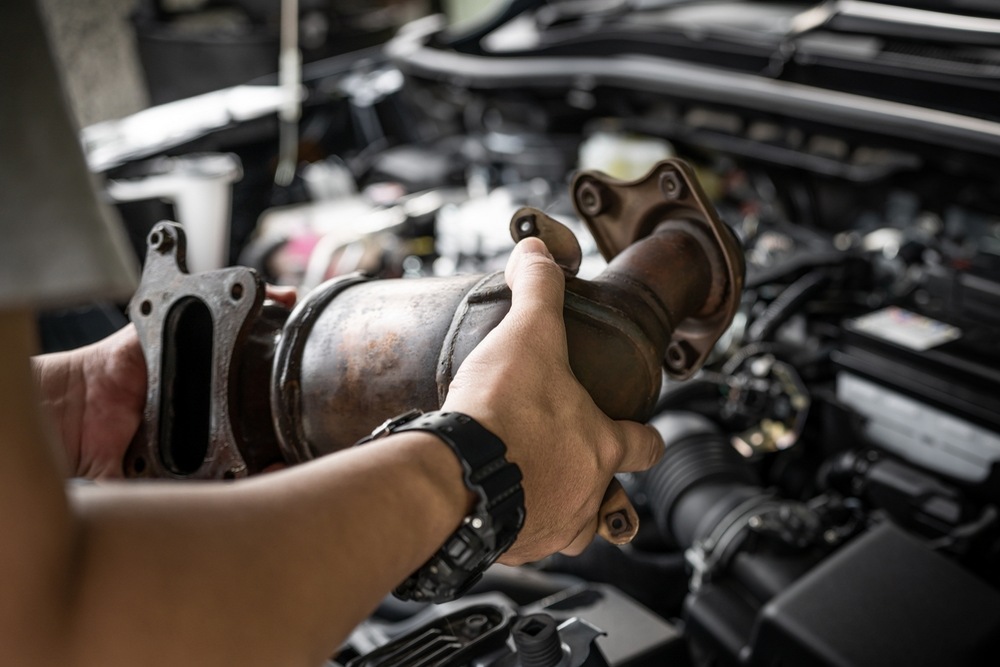
When you want your vehicle to run smoothly and efficiently, the catalytic converter plays a significant role in keeping your emissions system functioning correctly. This component helps reduce harmful exhaust gases before they leave your tailpipe, which protects both your engine’s performance and the environment. When the catalytic converter begins to fail, you may notice subtle changes in how your vehicle sounds, accelerates, or even smells. These early indicators matter because addressing them quickly can help you avoid more expensive repairs down the road. By understanding what to watch for, you can respond sooner and protect your engine from unnecessary stress.
Recognizing Performance Changes and Power Loss
One of the most common signs of catalytic converter trouble is a noticeable drop in engine power. When the converter becomes clogged, exhaust flow becomes restricted, and your engine must work harder to operate normally. You might feel sluggish acceleration, hesitation when pressing the gas pedal, or a general lack of responsiveness. These symptoms often develop gradually, making them easy to overlook. If your vehicle feels heavier, slower, or less capable during everyday driving, it may be your exhaust system signaling that the converter is no longer functioning efficiently. Paying attention to these performance changes helps you catch the issue before it becomes a major repair.
Identifying Unusual Smells, Sounds, and Warning Lights
Another sign of catalytic converter problems is a change in smell or sound. If you notice a strong sulfur or “rotten egg” odor, it can indicate that the converter is not breaking down exhaust gases effectively. Rattling noises under your vehicle may also indicate internal damage, as components inside the converter break apart and rattle during operation. In addition, your check-engine light may come on due to failed emissions tests or incorrect sensor readings. When your oxygen sensors detect abnormal exhaust levels, they send a signal that the exhaust system is malfunctioning. Taking these warnings seriously prevents your engine from running inefficiently and helps you avoid additional damage.
Watching for Excessive Heat and Poor Fuel Efficiency
A failing catalytic converter can trap heat in the exhaust system, making the underside of your vehicle hotter than usual. This excess heat can lead to premature wear of nearby components and create safety concerns if ignored. Another sign to watch for is a noticeable drop in fuel efficiency. When your exhaust flow is restricted, the engine must burn more fuel to compensate for the reduced airflow. You may find yourself filling up more often or noticing that your mileage drops significantly during everyday driving. Monitoring changes in fuel use and unusual temperature levels helps you recognize catalytic converter problems early and schedule an inspection before they escalate.
Protecting Your Vehicle With Proper Diagnostics and Repairs
Staying alert to early signs of catalytic converter issues helps you protect your engine, improve your vehicle’s reliability, and avoid unexpected repair costs. When you respond quickly to changes in performance, smell, sound, or fuel use, you help extend the life of your emissions system and prevent further damage. At Rancho Bernardo Auto Care, you receive thorough diagnostics and expert repairs to keep your vehicle running its best. Our team diagnoses emissions codes, replaces stolen or damaged converters with the correct parts, verifies oxygen sensor performance, checks for exhaust leaks, and advises on theft-prevention options so you pass inspection and protect your engine. Call us today at (858) 842-9818 to schedule your catalytic converter inspection and diagnostics.