


Related Posts
Is Wheel Alignment Important for Fuel Efficiency?
Understanding the Link Between Alignment and Fuel Use
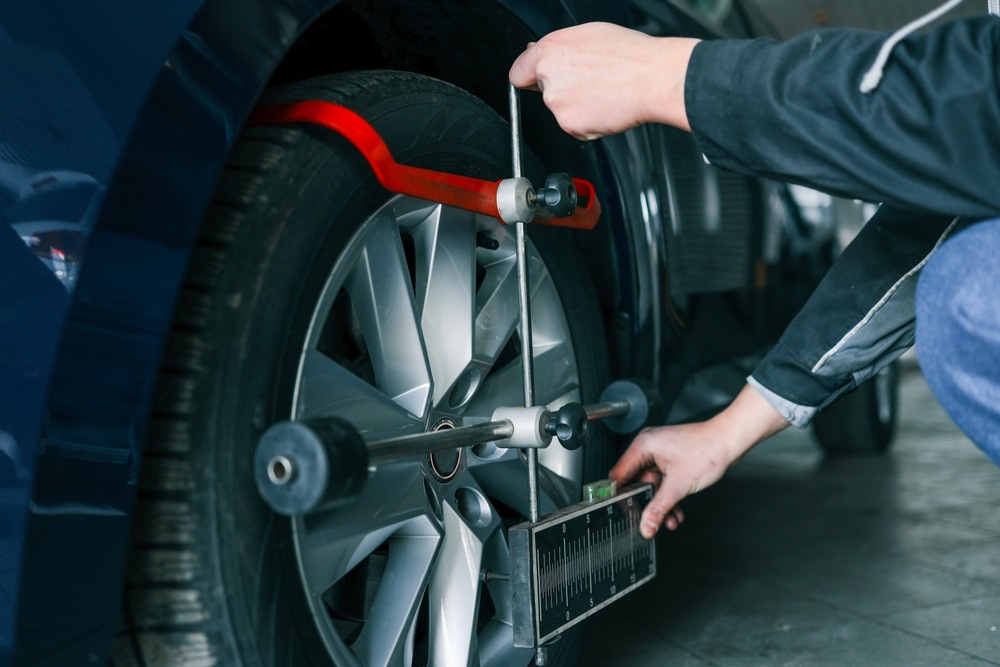
When you think about what affects your vehicle’s fuel efficiency, you may immediately consider tire pressure, driving habits, or engine performance. However, wheel alignment plays a significant role in how much fuel your vehicle burns. When your wheels are misaligned, your tires do not roll smoothly, and your vehicle must work harder to move forward. This extra resistance increases the amount of fuel your engine uses, even during short trips. By keeping your wheels aligned, you allow your vehicle to move freely and reduce unnecessary strain on your engine. As a result, you enjoy smoother handling, better mileage, and a more comfortable driving experience. Understanding this connection helps you recognize why alignment should be part of your regular maintenance routine.
How Misalignment Creates Extra Strain on Your Vehicle
When your wheels drift out of alignment, even slightly, the angle and direction of your tires change. Instead of rolling straight ahead, your tires begin to pull or drag against each other. This friction forces your engine to burn more fuel to maintain normal speed. You may also notice your steering wheel sitting off-center, your vehicle pulling to one side, or vibration at higher speeds. Misalignment also causes uneven tire wear, shortening tire lifespan and reducing traction over time. These issues add up, impacting both your safety and your budget. By correcting alignment early, you reduce strain on your suspension, steering components, and fuel system, helping your vehicle operate more efficiently every day.
The Fuel-Saving Benefits of Proper Wheel Alignment
When your wheels are aligned correctly, your tires roll straight and evenly across the road. This reduces rolling resistance, allowing your engine to use fuel more effectively. With proper alignment, your steering feels more responsive, your ride feels smoother, and your vehicle requires less effort to maintain speed. Drivers often notice improved gas mileage after an alignment because the engine no longer has to compensate for steering drag or tire friction. In addition to saving money at the pump, you also help extend your tires’ lifespan and protect your suspension system. Over time, consistent alignments can make a significant difference in your vehicle’s overall performance and comfort.
Signs That Your Vehicle Might Need an Alignment Check
Because alignment issues can develop gradually, you may not realize how much they impact your fuel efficiency until they become more noticeable. If your vehicle pulls to one side, your steering wheel shakes, or your tires wear unevenly, your alignment may be off. Even hitting a pothole, driving over a curb, or experiencing minor suspension wear can cause your wheels to shift out of proper alignment. You might also feel extra resistance while accelerating or notice that your vehicle doesn’t coast smoothly. If you experience any of these signs, getting an alignment check can help restore balance and improve your fuel efficiency. Staying aware of these symptoms keeps you ahead of potential repairs and ensures your vehicle continues running at its best.
Supporting Your Vehicle’s Efficiency Through Regular Maintenance
Keeping your wheels aligned is one of the simplest ways to improve fuel performance, extend tire life, and maintain a smoother ride. When you stay consistent with alignment checks, you help your engine work more efficiently and reduce the amount of fuel wasted by unnecessary drag. If you are noticing steering changes, uneven tire wear, or reduced mileage, scheduling a professional inspection can make a big difference. At Rancho Bernardo Auto Care, you can rest assured your vehicle is in experienced hands. Our shop diagnoses emissions codes, replaces stolen or damaged converters with the correct parts, verifies oxygen sensor performance, checks for exhaust leaks, and advises on theft-prevention options so you pass inspection and protect your engine. Call us today at (858) 842-9818 to schedule your wheel alignment.