



Related Posts

How Wheel Alignment Helps Your Car Handle Better and Protects Your Tires
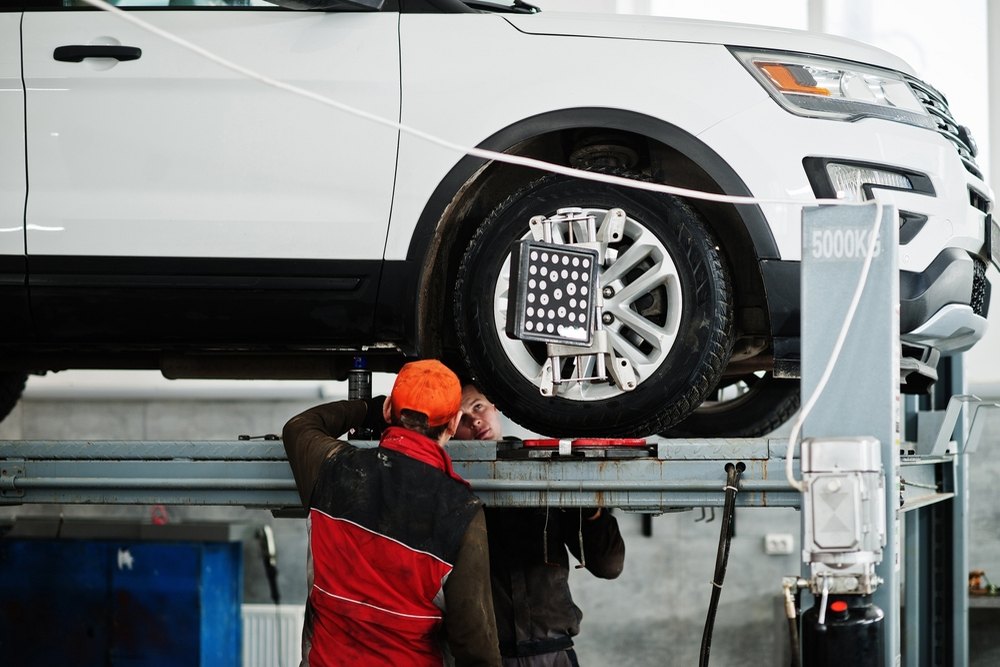
When your wheels are properly aligned, your vehicle responds the way you expect every time you steer, brake, or accelerate. Alignment refers to how the angles of your wheels meet the road and how they relate to the suspension system that supports your car. When these angles shift out of position due to everyday driving, potholes, or curb contact, your vehicle may begin to pull slightly to one side or feel less stable. A correct wheel alignment allows your tires to maintain consistent contact with the road, helping your car track straight and handle smoothly. As a driver, you notice the difference through more predictable steering and better overall control. Maintaining proper alignment supports the design of your suspension system and helps your vehicle operate the way it was engineered to.
How Misalignment Leads to Tire Wear and Reduced Performance
Driving with misaligned wheels often leads to uneven tire wear, shortening their life. When tires sit at improper angles, certain parts of the tread make more contact with the road than others. This causes some areas to wear down faster while the rest of the tire still has usable tread. Over time, uneven wear can reduce traction and create vibration while driving. You may also notice that your vehicle feels less stable when turning or braking. Proper wheel alignment distributes weight evenly across the tire surface so that the tread wears at a consistent rate. This helps your tires last longer and continue performing as expected in different road conditions. By correcting alignment early, you help prevent premature tire replacement and maintain the performance your vehicle needs for safe driving.
Signs Your Vehicle May Need a Wheel Alignment
Your vehicle often gives clear signals when the alignment needs attention. One of the most common signs is the steering wheel no longer sitting straight while driving on a level road. You might also feel your vehicle drifting to one side even when you are holding the wheel steady. Uneven tire wear patterns, vibrations in the steering wheel, or a sense of instability at highway speeds can also point to alignment issues. These symptoms typically appear gradually, which makes them easy to overlook until they become more noticeable. Paying attention to these early warning signs allows you to address alignment concerns before they begin affecting other parts of your vehicle. When you take action early, you reduce stress on the suspension system and keep your vehicle driving smoothly.
How Alignment Protects Suspension and Improves Efficiency
Wheel alignment is important for protecting your vehicle’s suspension components. When wheels sit out of alignment, additional strain is placed on parts such as ball joints, tie rods, and control arms. These components work together to keep your vehicle stable and responsive, and misalignment can cause them to wear faster than normal. Correct alignment allows your suspension system to move naturally without unnecessary resistance. You may also notice improved fuel efficiency because your vehicle no longer has to work harder to maintain direction on the road. Tires that roll evenly require less energy to move forward, which helps your engine operate more efficiently. By keeping your wheels properly aligned, you support the performance of several connected systems within your vehicle.
Keep Your Vehicle Driving Smoothly with Professional Alignment Service
Wheel alignment is one of the simplest ways to protect your tires, improve handling, and maintain the comfort of your drive. When your wheels sit at the correct angles, your vehicle stays balanced on the road, and your tires wear evenly over time. Regular alignment checks also help catch suspension issues early before they lead to more expensive repairs. If uneven tire wear or steering issues have started affecting how your car drives, call (858) 524-6236 or fill out our online form to schedule service through our website today for a professional evaluation. Address alignment concerns early and drive with confidence knowing your vehicle maintains the performance, durability, and reliability you expect every time you get behind the wheel.