


Related Posts
How to Tell When Your Car AC Needs Service Before It Stops Blowing Cold Air
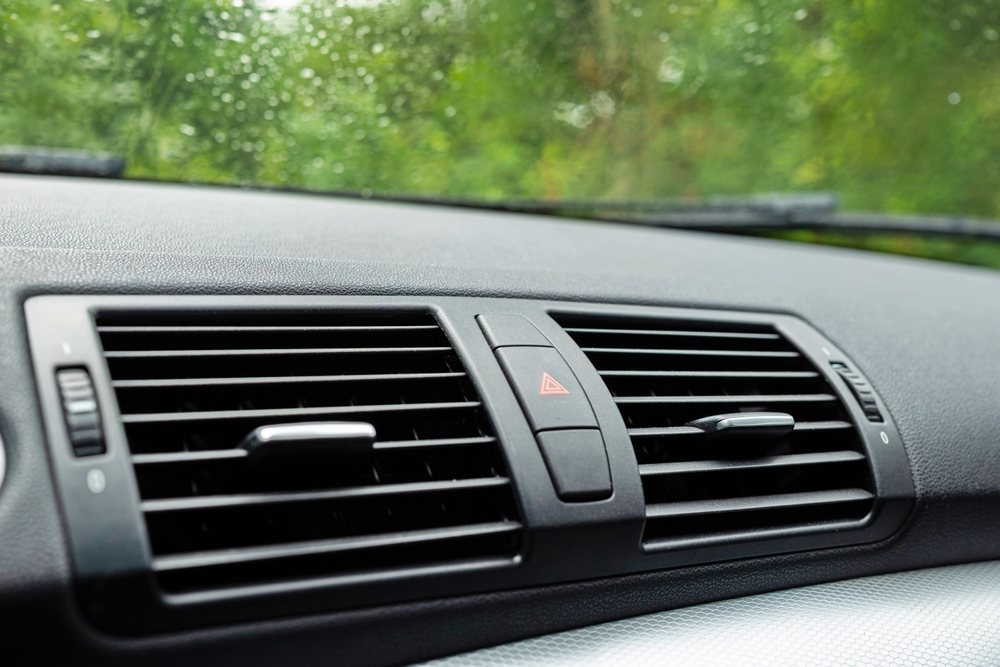
When your car’s air conditioning starts to struggle, it rarely happens all at once. Instead, you usually get small warning signs that something isn’t working the way it should. You might notice the air takes longer to cool the cabin, or it feels cold at first and then slowly turns lukewarm while you’re driving. Sometimes the airflow feels weaker even when the fan is set to high. These changes often point to low refrigerant levels, minor leaks, or a compressor that’s starting to wear down. Paying attention to these early symptoms matters because addressing them now is far easier than waiting until the system fails completely. When you act early, you’re more likely to restore strong, consistent cooling and avoid being stuck driving on a hot day with nothing but warm air blowing through the vents.
Unusual Noises and Smells You Should Never Ignore
Your car’s AC system should operate quietly and without noticeable odors. If you hear grinding, squealing, or rattling sounds when the AC is turned on, that’s a clear signal that something is off. These noises often come from a worn compressor clutch, loose components, or internal damage that can spread if left alone. Smells are just as important. A musty odor can indicate moisture buildup in the system, while a sharp or chemical smell may indicate refrigerant issues. Even a burning smell could indicate electrical stress. These signs are your car’s way of telling you it needs attention. Ignoring them can lead to larger repairs and reduced air quality inside your vehicle, which affects both comfort and health during everyday drives.
Why Weak Cooling Often Starts With Small Mechanical Issues
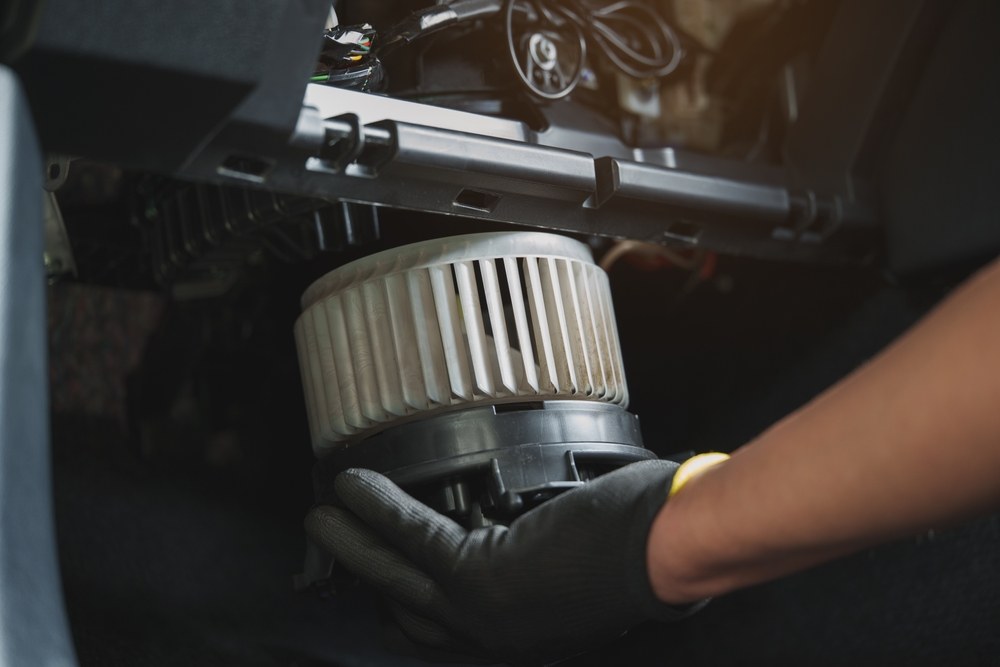
Many drivers assume that when AC performance drops, the entire system is failing. In reality, cooling problems often start with minor mechanical issues that gradually worsen. Low refrigerant levels can reduce cooling efficiency without completely stopping it. A failing condenser may struggle to release heat, especially during warmer weather or stop-and-go traffic. Worn seals and hoses can allow slow leaks that are easy to miss without a proper inspection. Over time, these issues force the system to work harder, which adds strain to major components. Addressing these problems early helps restore proper cooling and reduces stress on parts that are costly to replace. Staying proactive keeps your AC reliable when you need it most.
How Driving Conditions Can Reveal Hidden AC Problems
Your daily driving habits can highlight AC issues that aren’t obvious at first. If your AC blows cold air while cruising but warms up at idle, that may point to airflow problems around the condenser or cooling fans that aren’t working efficiently. If cooling fades during long drives, it could signal pressure issues or a compressor that’s losing strength under load. Even short trips can reveal clues, such as uneven cooling between vents or frequent cycling of the system. These patterns are valuable because they help pinpoint what’s going wrong. By noting when and how the AC performance changes, you give technicians better information to accurately diagnose the problem and fix it before it becomes a full system failure.
Getting Ahead of AC Failure With Timely Service
Waiting until your car AC stops blowing cold air usually means higher repair costs and more downtime. When you respond to early signs, you give yourself the chance to fix minor issues before they affect major components. Routine inspections, pressure checks, and system testing can identify problems early and restore consistent cooling. This approach keeps your drives comfortable year-round and helps extend the life of the entire AC system. If you want service backed by experience and proven results, call (858) 524-6236 or fill out our online form to schedule your car AC service with Rancho Bernardo Auto Care today.