




Related Posts

How O2 Sensor Replacement Helps Improve Fuel Economy
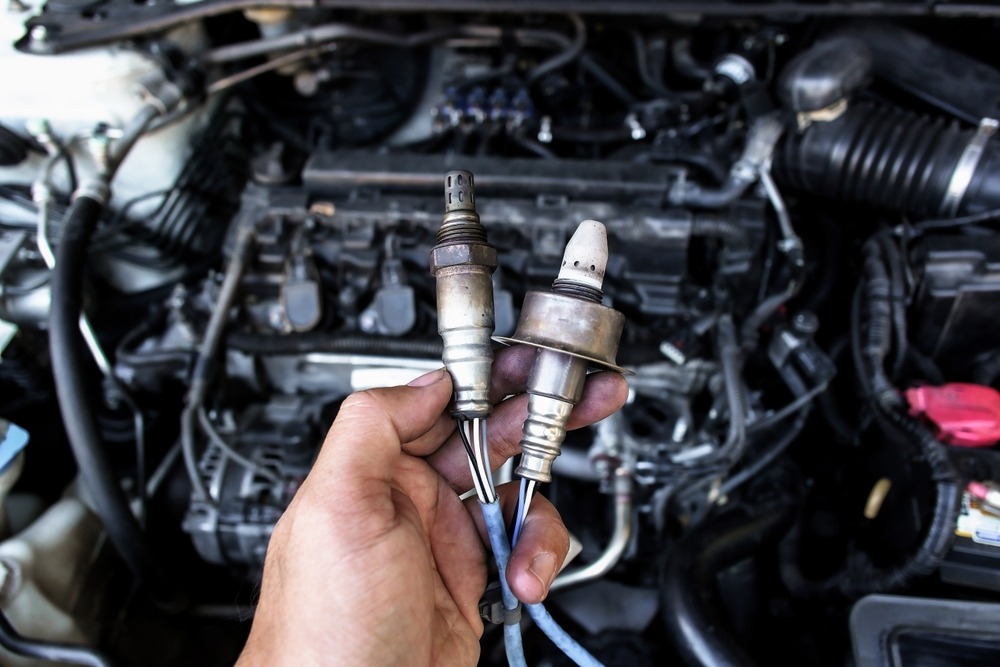
Your vehicle relies on several components working together to maintain efficiency, and the oxygen sensor plays a key role in that process. The O2 sensor measures the amount of oxygen in your exhaust gases and sends that information to your engine’s computer. Based on this data, your vehicle adjusts the air-fuel mixture to ensure optimal combustion. When this balance is correct, your engine runs efficiently, using just the right amount of fuel. However, if the sensor becomes worn or inaccurate, your engine may receive incorrect readings. This can lead to an improper fuel mixture, causing your vehicle to burn more fuel than necessary. Understanding this process helps you see why a properly functioning O2 sensor is essential for maintaining fuel efficiency.
Signs Your O2 Sensor May Be Failing
As your O2 sensor begins to wear out, your vehicle will often show noticeable performance changes. One of the most common signs is a decrease in fuel economy, meaning you find yourself filling up your gas tank more frequently. You may also notice rough idling, hesitation during acceleration, or a general lack of engine responsiveness. In many cases, your check engine light will turn on, indicating a problem within the emissions system. Additionally, your vehicle may emit more due to an imbalanced air-fuel ratio. These warning signs should not be ignored, as they indicate an issue that can affect your vehicle’s efficiency and overall performance. Addressing these symptoms early helps you avoid further complications.
How a Faulty O2 Sensor Impacts Fuel Economy
When your O2 sensor is not providing accurate readings, your engine cannot properly regulate the air-fuel mixture. In most cases, the system compensates by adding more fuel than necessary, creating a rich mixture. While this may keep your engine running, it significantly reduces fuel efficiency. Over time, this excess fuel consumption adds up, increasing your overall driving costs. In addition, running too rich can lead to carbon buildup within your engine and exhaust system, which may cause additional performance issues. On the other hand, a lean mixture can also create problems by reducing engine power and increasing heat. Replacing a faulty O2 sensor helps restore the correct balance, allowing your engine to operate more efficiently and use fuel more effectively.
The Benefits of Replacing Your O2 Sensor
Replacing your O2 sensor at the right time offers several advantages that go beyond improved fuel economy. First, it helps your engine run smoother by ensuring the correct air-fuel ratio is maintained. This leads to better acceleration, improved responsiveness, and a more consistent driving experience. Additionally, a properly functioning O2 sensor helps reduce harmful emissions, which is important for both environmental standards and passing emissions tests. You also reduce the risk of long-term damage caused by incorrect fuel mixtures, such as worn spark plugs or a damaged catalytic converter. By taking care of this small but important component, you protect your vehicle’s performance and avoid more costly repairs down the line.
Improve Efficiency and Drive with Confidence
Fuel efficiency plays a major role in your overall driving experience, and a failing O2 sensor can quietly reduce your vehicle’s performance over time. Replacing it when needed helps restore proper engine function and keeps your fuel usage under control. Rancho Bernardo Auto Care is ready to inspect your vehicle and replace your O2 sensor to help you get the most out of every gallon of fuel. Call Rancho Bernardo Auto Care at (858) 842-9818 or fill out our online form to schedule a complete inspection. Stay ahead of performance issues and drive with confidence knowing your vehicle delivers the efficiency, reliability, and performance you depend on every time you hit the road.