



Related Posts
Common Causes of O2 Sensor Failure (And How to Prevent It)
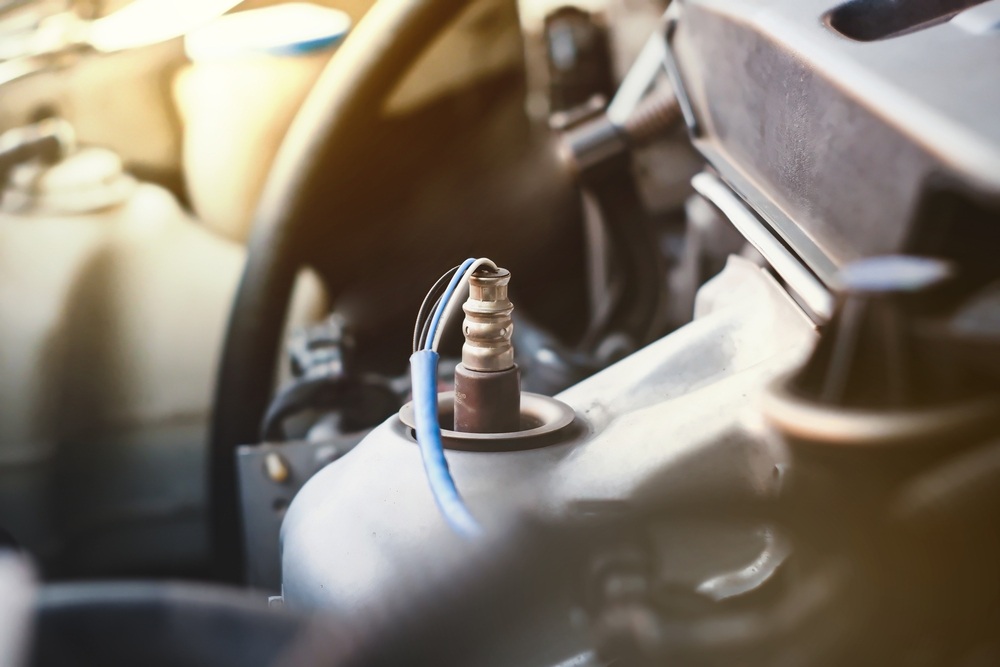
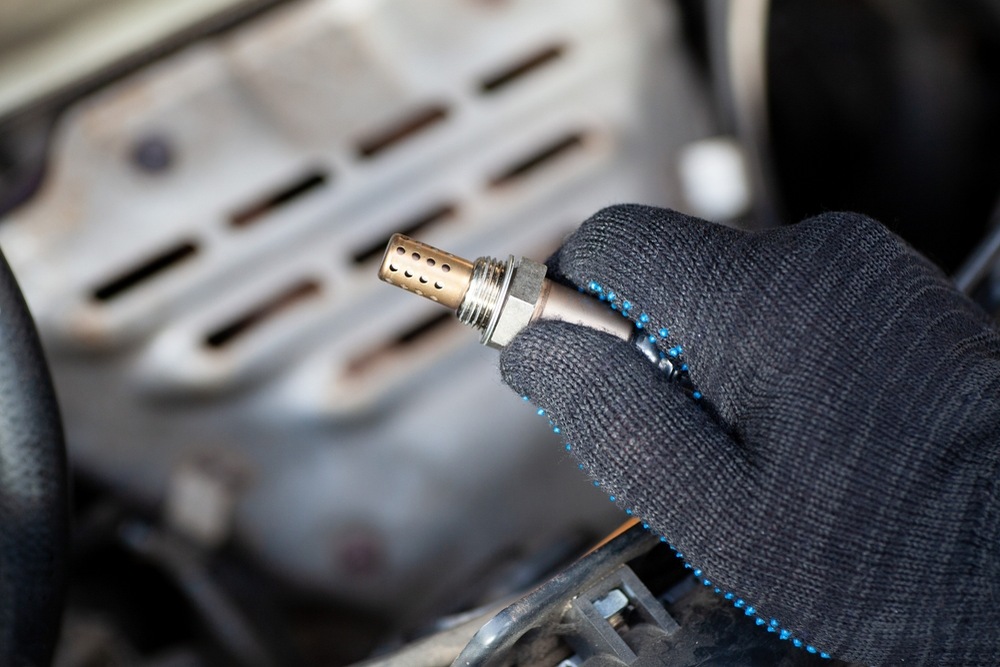
When you start your vehicle and head out for the day, you don’t think about your O2 sensor. Yet this small component has a significant impact on how your engine runs, how much fuel you use, and how clean your emissions are. Your O2 sensor monitors the oxygen level in your exhaust and helps your engine adjust the air-to-fuel mixture. When it’s working correctly, your vehicle runs smoothly, responds quickly, and burns fuel efficiently. When it starts to fail, everything from your fuel economy to your engine performance begins to suffer. You may notice rough idling, sluggish acceleration, or that familiar check engine light turning on. Understanding what causes O2 sensor failure gives you the knowledge you need to prevent early breakdowns and keep your vehicle running at its best.
How Contaminants and Debris Cause Early Sensor Failure
One of the most common reasons your O2 sensor goes bad is contamination. Over time, dirt, soot, oil, and fuel residue collect inside the exhaust system. When these contaminants reach the sensor, they begin coating the tip, impairing its ability to measure oxygen levels accurately. Even something as small as a coolant leak or excessive oil consumption can lead to buildup that slowly suffocates the sensor. Once the reading becomes unreliable, your engine starts receiving incorrect information, which leads to poor combustion, higher emissions, and inconsistent performance. Contamination doesn’t happen overnight — it builds gradually and often goes unnoticed until symptoms begin to appear. By understanding how these residues affect your sensor, you give yourself a better chance of catching issues early and extending the part’s life.
Why Exhaust Leaks and Engine Problems Speed Up Wear
Your O2 sensor relies on a controlled environment to function correctly. When your exhaust system develops leaks or cracks, hot gases escape before passing through the sensor. This disrupts the readings and causes the engine to run richer or leaner than it should. In addition, any engine problems that affect combustion — such as misfires, worn spark plugs, or failing ignition coils — send partially burned fuel into the exhaust. That unburned fuel burns in the catalytic converter, causing excessive heat. Over time, this excessive heat can damage the O2 sensor and shorten its lifespan. These issues often create a cycle: the engine problem damages the sensor, the failing sensor causes more imbalance, and performance continues to drop until multiple components are compromised. Fixing engine and exhaust issues early helps protect your entire system, including the O2 sensor.
How Age and Normal Wear Contribute to Sensor Failure
Like many components, your O2 sensor has a natural lifespan. Even without contamination or engine trouble, sensors wear out simply from years of exposure to extreme heat and constant chemical reactions inside the exhaust system. Most O2 sensors last around 60,000 to 100,000 miles, but the exact lifespan depends on how you drive, how often you maintain your vehicle, and the conditions your engine faces daily. As sensors age, their internal materials degrade, slowing response time and reducing accuracy. You may not notice symptoms right away, but over time, your fuel efficiency drops, your emissions rise, and your engine begins to adapt to inaccurate readings. Replacing an aging sensor before it fails helps maintain strong performance, prevent further wear, and keep your vehicle running efficiently.
Preventing O2 Sensor Problems With Regular Maintenance
The best way to avoid O2 sensor issues is by staying on top of your vehicle’s maintenance needs. Routine oil changes, engine tune-ups, and inspections help prevent contaminants from building up and prevent harmful fuel mixtures from damaging your exhaust system. Addressing early signs of misfires, leaks, or reduced performance protects your sensor from unnecessary wear. You also benefit from cleaner combustion, lower emissions, and better fuel mileage. When you partner with a skilled mechanic who monitors the health of your engine and exhaust, you catch problems early and avoid costly repairs down the road. Instead of waiting for a warning light to appear, you stay ahead of issues and keep your vehicle operating smoothly, safely, and efficiently for the long haul.
If you want your vehicle to stay dependable for as long as possible, this is the perfect time to give it the care it needs. Call us today at (858) 842-9818 to book your next service with Rancho Bernardo Auto Care.