


Related Posts
Common Causes of Engine Overheating in Southern California
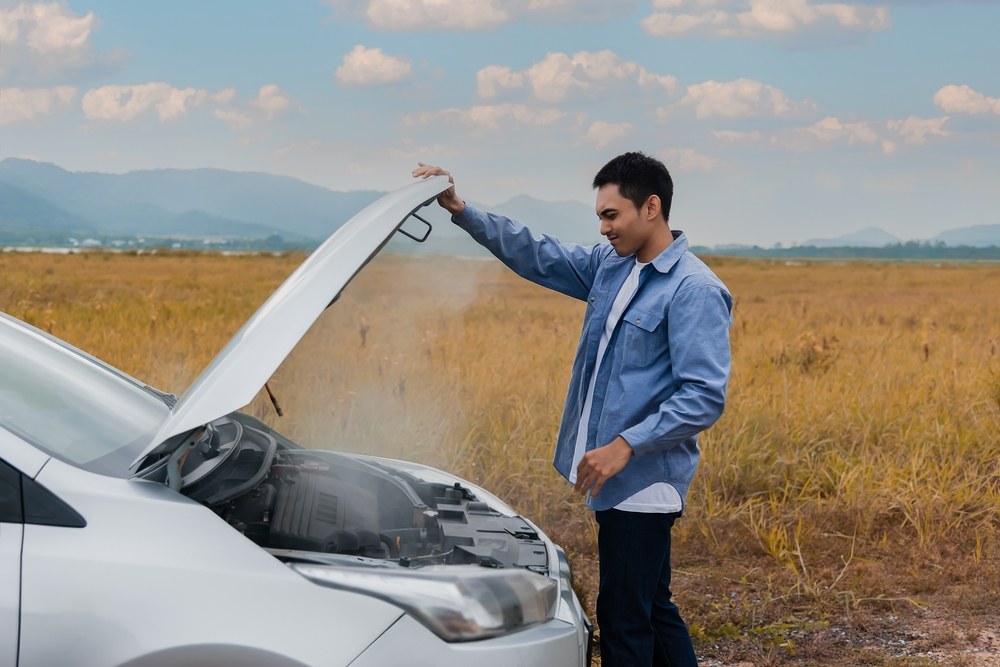
Living and driving in Southern California puts unique demands on your vehicle, especially when it comes to engine temperature. Long stretches of warm weather, stop-and-go traffic, steep grades, and freeway congestion all contribute to faster engine heat buildup than many drivers expect. Even short trips can push temperatures higher when airflow is limited and cooling systems are under constant strain. If your engine overheats, it is not just an inconvenience—it can lead to warped components, blown head gaskets, and expensive repairs. Understanding why overheating occurs helps you recognize early warning signs and take action before a minor issue becomes a serious mechanical problem that disrupts your daily routine.
Low or Contaminated Coolant and Why It Matters
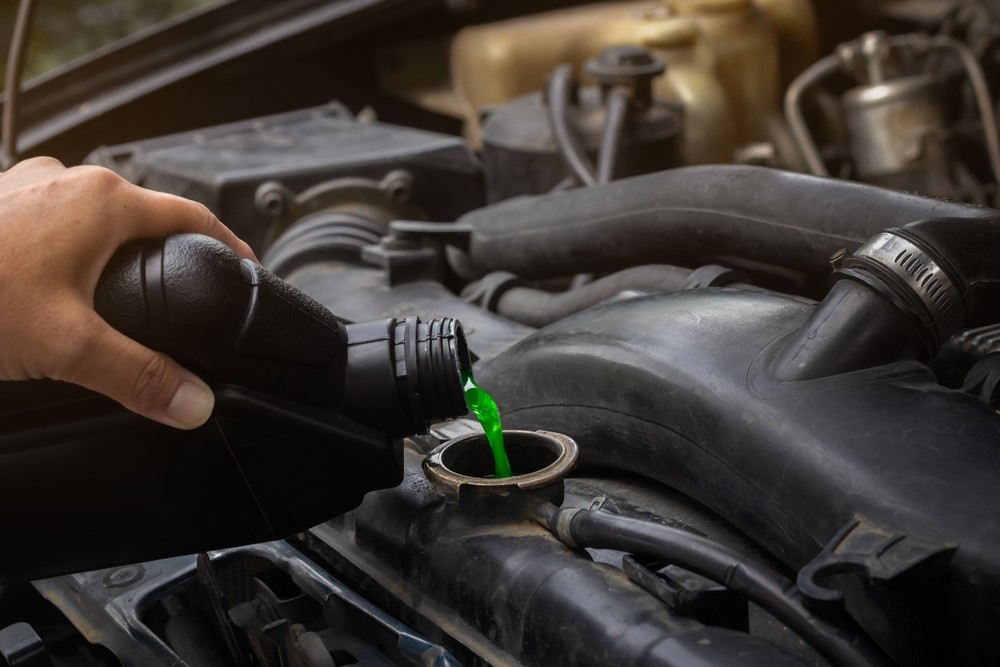
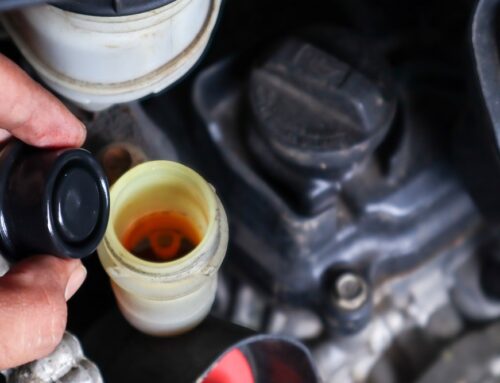
One of the most common reasons engines overheat is low or degraded coolant. Coolant does more than keep temperatures down; it also prevents corrosion inside the engine and radiator. Over time, coolant can leak, evaporate, or lose effectiveness due to age and contamination. If levels drop too low, heat cannot be efficiently dissipated from the engine, especially during hot Southern California afternoons or on uphill grades. Dirty or old coolant can also create blockages that restrict flow, causing hot spots inside the engine. Checking coolant levels regularly and replacing them at proper intervals keeps the cooling system working as intended and reduces the risk of overheating during everyday driving.
Cooling System Components That Wear Out Quietly
Your cooling system relies on several parts working together, and when one fails, overheating can follow quickly. A worn thermostat may stick closed, preventing coolant from circulating. A failing water pump can reduce flow without obvious leaks. Radiator fans may stop working correctly, especially in traffic where airflow is limited. Hoses can weaken and collapse under heat, cutting off circulation when you need it most. These issues often develop gradually, which makes them easy to overlook. Paying attention to temperature changes, unusual noises, or warning lights helps catch these problems early, before engine heat climbs to dangerous levels.
How Driving Habits and Environment Add Extra Heat
Southern California driving conditions can amplify existing issues and create new ones. Heavy traffic keeps engines idling longer, which limits airflow through the radiator. Driving with a heavy load, towing, or climbing hills puts additional stress on the engine, especially during warmer months. Even aggressive acceleration can increase heat buildup when the cooling system is already working hard. Parking outdoors in the sun can also raise under-hood temperatures before you even start driving. Being mindful of these factors helps you understand why overheating occurs more often locally and why proactive maintenance is so essential in this region.
Staying Ahead of Overheating and Engine Damage
Engine overheating rarely happens without warning, and staying proactive makes all the difference. Regular inspections, fluid checks, and cooling system service help keep temperatures stable and performance consistent. If you notice rising temperature gauges, warning lights, or changes in how your car drives, addressing them early can prevent significant damage. Whether you are dealing with a check engine light, noticing reduced performance, or want to stay ahead of routine care, we are here to help you protect your investment and enjoy a more reliable drive around Rancho Bernardo. Call us at (858) 524-6236 or fill out our online form to schedule your engine service today.