


Related Posts
Car Won’t Start but Battery Is Good: Is It the Alternator?
Understanding Why a Good Battery Doesn’t Always Mean a Healthy Start
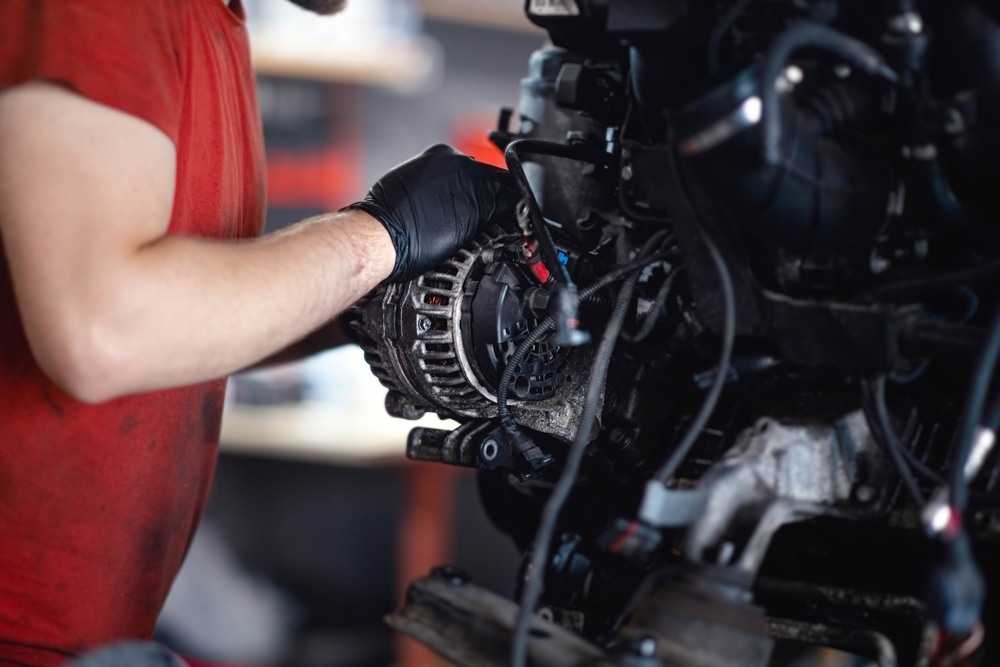
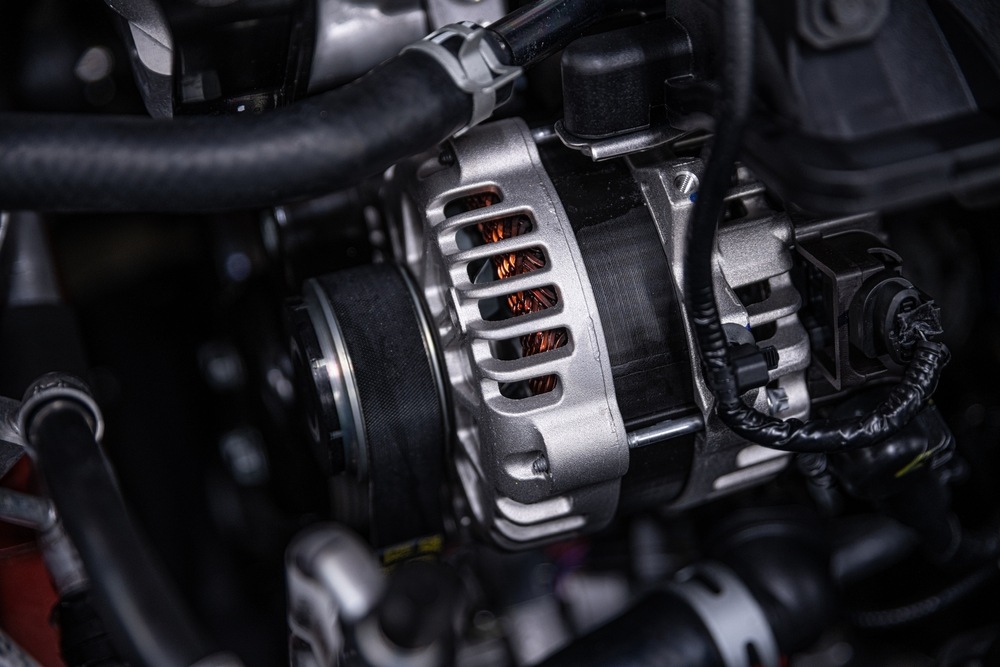
When your car refuses to start even though the battery tests fine, it can feel confusing and frustrating. You expect a strong battery to deliver the power needed to fire up the engine, so when nothing happens, your first thought is often, “What else could be wrong?” This is when the alternator becomes a significant part of the conversation. Your alternator plays a critical role in keeping your electrical system alive—it charges the battery. At the same time, the engine runs and powers everything from your headlights to your dashboard. If the alternator begins to wear out, your battery may appear healthy, but your vehicle won’t receive enough power to start or operate correctly. Understanding how both components support each other helps you recognize when the alternator is the real issue.
Signs Your Alternator Might Be Failing
A struggling alternator leaves clues long before your vehicle refuses to start. You may notice dim or flickering headlights, especially when idling or driving at night. Your dashboard lights might pulse, or you may see warning icons appearing more frequently. Sometimes you’ll even hear unusual sounds like whining or grinding coming from the engine bay as the alternator’s internal parts begin to fail. Another common sign is inconsistent electrical behavior—radio cutting out, power windows slowing, or interior lights dimming. These symptoms indicate that your vehicle isn’t receiving a stable electrical power supply. Even if your battery reads as strong, these performance changes point toward an alternator that’s no longer keeping up with your car’s electrical demands.
How the Alternator and Battery Work Together
Your battery starts your car, but once the engine is running, your alternator takes over the heavy lifting. It continuously generates electricity and replenishes what the battery used. When the alternator stops doing its job, the battery begins to drain quickly because it’s being asked to power everything on its own. This creates a situation in which the battery appears healthy when tested at rest but fails under real driving conditions. You may also experience repeated stalls or your engine shutting off unexpectedly because the electrical system can’t hold a charge. By understanding how closely these two components depend on each other, you can see why diagnosing the real issue requires more than just checking the battery.
Why Timing Matters When Addressing Alternator Issues
When your car starts showing signs of alternator trouble, acting early prevents much bigger problems from developing. A failing alternator can leave you stranded without warning because your vehicle relies on consistent electrical power to run. If ignored, it can also damage the battery or put extra strain on other electrical components, leading to additional repairs you could have avoided. Addressing the issue promptly helps protect your starter, power control modules, sensors, and even your engine performance. Being proactive about electrical system health enables you to avoid sudden breakdowns and ensures your vehicle remains reliable during daily commutes and longer trips. Paying attention to small changes gives you a better chance of resolving problems before they grow into emergencies.
Keeping Your Vehicle Reliable Starts with Routine Care
When your car won’t start, but the battery checks out, it’s a potent reminder to look deeper into your vehicle’s electrical system. Identifying alternator issues early saves you time, prevents unexpected breakdowns, and protects your battery from unnecessary wear. Staying ahead of maintenance keeps your vehicle running smoothly and gives you confidence every time you turn the key. If you want your engine to remain strong for as long as possible, this is the perfect moment to focus on proper care. Call us today at (858) 842-9818 to book your next service with Rancho Bernardo Auto Care.