




Related Posts
When Does a Diesel Engine Need a Tune-Up?
How Diesel Engines Age Differently Than Gas Engines
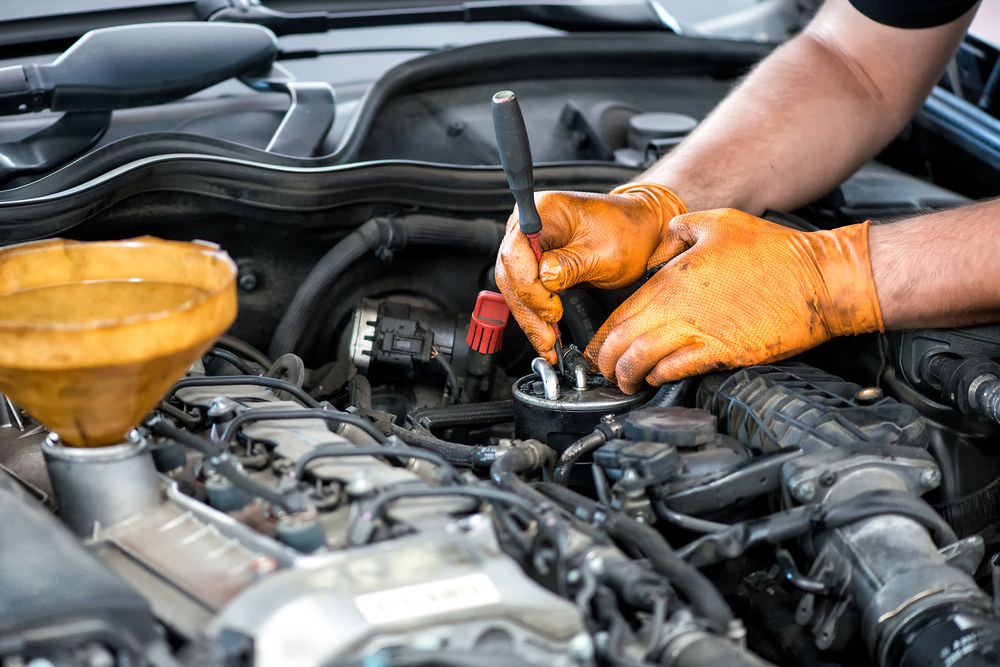
Diesel engines are built for longevity, torque, and heavy-duty performance, but that doesn’t mean they run forever without attention. As mileage increases, diesel components experience a different kind of wear than gas engines. Higher compression ratios, heavier internal parts, and increased combustion pressures place unique stress on fuel delivery, air intake, and exhaust systems. You may not notice sudden changes early on, because diesel engines often degrade gradually rather than failing all at once. Power loss, rough starts, or subtle changes in sound can appear slowly, making it easy to overlook early warning signs. Understanding how diesel engines age helps you recognize when a tune-up is needed, rather than waiting for a costly breakdown.
Mileage Ranges That Signal It’s Time to Pay Attention
Unlike gas engines, which often require shorter service intervals, diesel engines typically require tune-ups based on both mileage and usage. Many diesel vehicles begin to benefit from more in-depth service between 60,000 and 100,000 miles, depending on how they’re driven. Towing, hauling, frequent idling, and short trips can all accelerate wear on fuel injectors, glow plugs, and air systems. Even if your diesel engine starts reliably and feels strong, components like fuel filters, intake systems, and emissions equipment may be working harder than before. Reaching higher mileage doesn’t mean something is wrong, but it does mean your engine needs closer inspection to maintain efficiency and prevent performance drop-offs.
Warning Signs That Your Diesel Engine Is Asking for Service
Diesel engines communicate issues differently than gas engines, and learning to spot those signs can save you money. Hard starts, especially in cooler conditions, often indicate glow-plug or fuel-delivery issues. Excessive exhaust smoke, changes in exhaust color, or stronger-than-usual odors can signal combustion inefficiency. You may also notice reduced fuel economy, sluggish acceleration, or rough idling that wasn’t present before. Warning lights related to emissions systems are another common indicator, especially as diesel engines rely on complex exhaust components to meet standards. These signs don’t always mean major repairs are needed, but they do mean it’s time for a professional evaluation before the problem grows.
Performance Changes That Often Go Unnoticed at First
One challenge with diesel engines is that performance changes can be subtle. You might adjust your driving habits without realizing it, compensating for slower throttle response or reduced pulling power. Over time, dirty injectors, restricted airflow, or aging sensors can reduce efficiency while the engine continues to run. This gradual decline can increase strain on other systems, leading to higher operating temperatures and added wear. A proper tune-up addresses these issues by restoring balance between fuel, air, and combustion timing. Catching performance changes early helps your engine operate as it was designed to, rather than pushing components beyond their comfort zone.
Protecting Your Diesel Engine Before Repairs Get Expensive
A diesel tune-up isn’t just about restoring performance; it’s about preventing expensive repairs down the line. Addressing fuel system health, air intake efficiency, and emissions performance at the right time helps extend engine life and maintain reliability. Regular inspections and targeted service help you stay ahead of problems rather than react to failures. Rancho Bernardo Auto Care understands the long-term needs of diesel engines and focuses on proactive service that supports durability and performance. If you want service backed by knowledge and proven results, call (858) 524-6236 or fill out our online form to schedule your engine service today.