



Related Posts
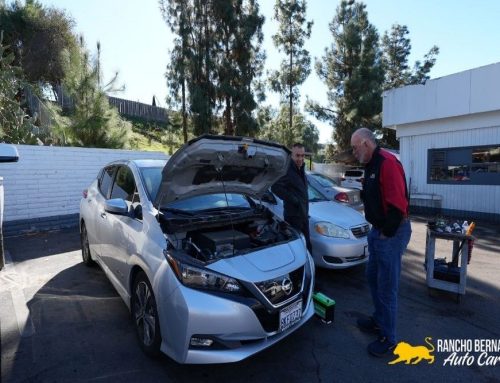
Why 90K Maintenance Is a Critical Milestone for Your Vehicle
What Makes 90,000 Miles Different Than Earlier Service Intervals
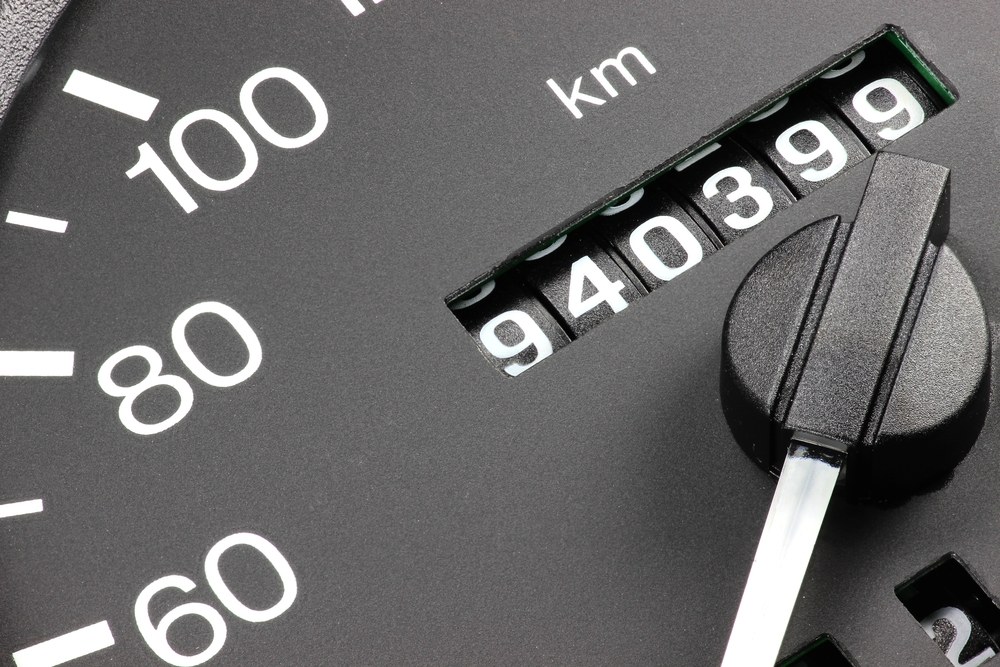
As your vehicle approaches 90,000 miles, it enters a phase where wear patterns change in noticeable and important ways. Up to this point, routine maintenance often focuses on oil changes, filters, brakes, and basic inspections. At higher mileage, however, many components have been in constant motion for years, exposed to heat, pressure, vibration, and gradual material breakdown. Rubber parts begin to harden, seals lose flexibility, and fluids that once protected internal components start to degrade. Even if your car still feels smooth, internal systems may be working harder than before. Reaching 90,000 miles isn’t just another number on the odometer—it’s a signal that your vehicle needs more thoughtful, comprehensive attention to stay dependable.
How Engine and Drivetrain Components Begin to Shift
By the time you reach 90,000 miles, your engine and drivetrain have gone through countless heat cycles and load changes. Spark plugs are often nearing the end of their effective lifespan, which can affect combustion efficiency, fuel economy, and throttle response. Ignition components may still function but not perform as sharply as they once did. Belts and hoses that support cooling and accessory systems are also under more stress at this stage, even if they haven’t failed yet. In the drivetrain, lubricating fluids can lose their protective properties, leading to increased friction and wear. Addressing these changes early helps preserve performance and prevents small issues from becoming costly mechanical problems later.
The Growing Importance of Fluid Condition and System Health
At higher mileage, fluids play an even bigger role in keeping your vehicle running smoothly. Engine oil, transmission fluid, coolant, brake fluid, and power steering fluid all break down over time, even if they don’t appear dirty at first glance. As these fluids age, they lose their ability to control heat, reduce friction, and protect internal surfaces. Around 90,000 miles, many systems benefit from fluid inspections or services that go beyond routine top-offs. Cooling systems, in particular, deserve close attention, as older coolants can lose corrosion protection and place added strain on components. Paying attention to fluid condition at this milestone helps maintain system balance and long-term reliability.
Why Proactive Maintenance Beats Reactive Repairs
Waiting for a warning light or breakdown after 90,000 miles often leads to higher repair costs and unexpected downtime. Proactive maintenance focuses on anticipating wear instead of reacting to failure. When components are inspected and serviced before they fail, you avoid secondary damage that can occur when one worn part stresses another. For example, replacing aging belts and addressing fluid degradation early helps protect surrounding systems that depend on them. This approach also lets you plan maintenance around your schedule rather than dealing with emergencies. Proactive care at 90,000 miles keeps your vehicle predictable, safer to drive, and less likely to surprise you with sudden issues.
Supporting Long-Term Reliability Beyond the 90K Mark
Reaching 90,000 miles doesn’t mean your vehicle is nearing the end of its life. With the right care, many cars continue performing well past this point. What matters most is how you respond to this milestone. A thorough maintenance strategy supports efficiency, drivability, and confidence every time you get behind the wheel. Rancho Bernardo Auto Care focuses on long-term vehicle health by identifying changes that come with higher mileage and addressing them with experience and precision. If you want service backed by knowledge and proven results, call (858) 524-6236 or fill out our online form to schedule your engine service and keep your vehicle performing strong for the miles ahead.