


Related Posts
Can You Pass Smog with the Check Engine Light On?
Understanding What the Check Engine Light Really Means
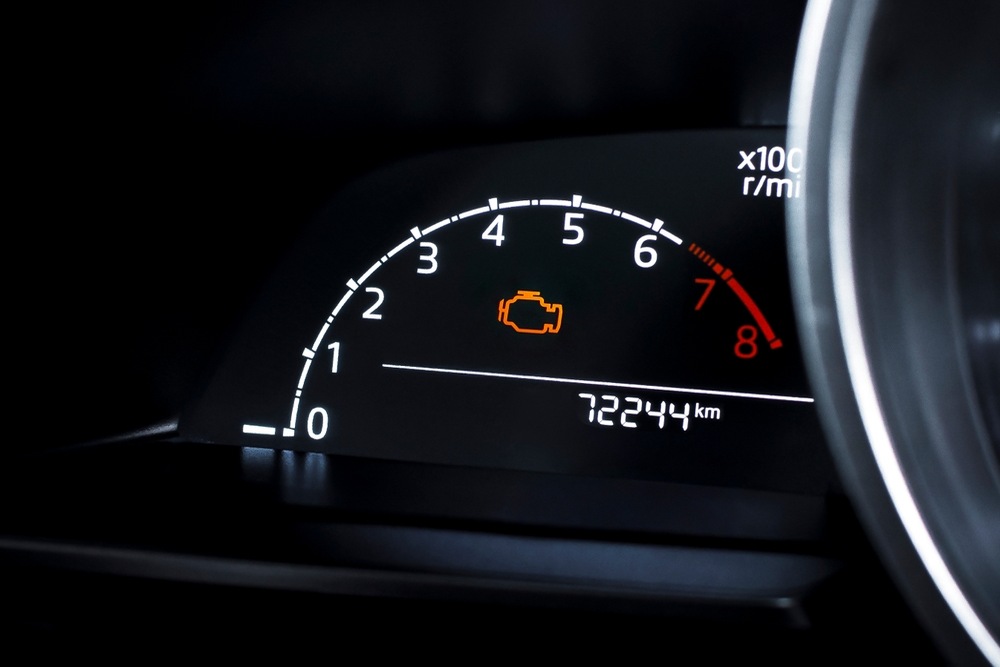
When that check engine light turns on, it’s your car’s way of telling you something isn’t right—and it’s rarely something you should ignore, especially when a smog test is coming up. In most cases, if your check engine light is illuminated, your vehicle will not pass a California smog inspection. Smog testing relies heavily on your car’s onboard diagnostics system, which monitors emissions-related components. When the light is on, it indicates that the system has detected a fault that could cause emissions to exceed allowed limits. Even if your car seems to run fine, the issue may still affect emissions enough to fail the test. Understanding this early can save you time, frustration, and the cost of repeat testing.
How Smog Tests Check Your Vehicle’s Emissions System
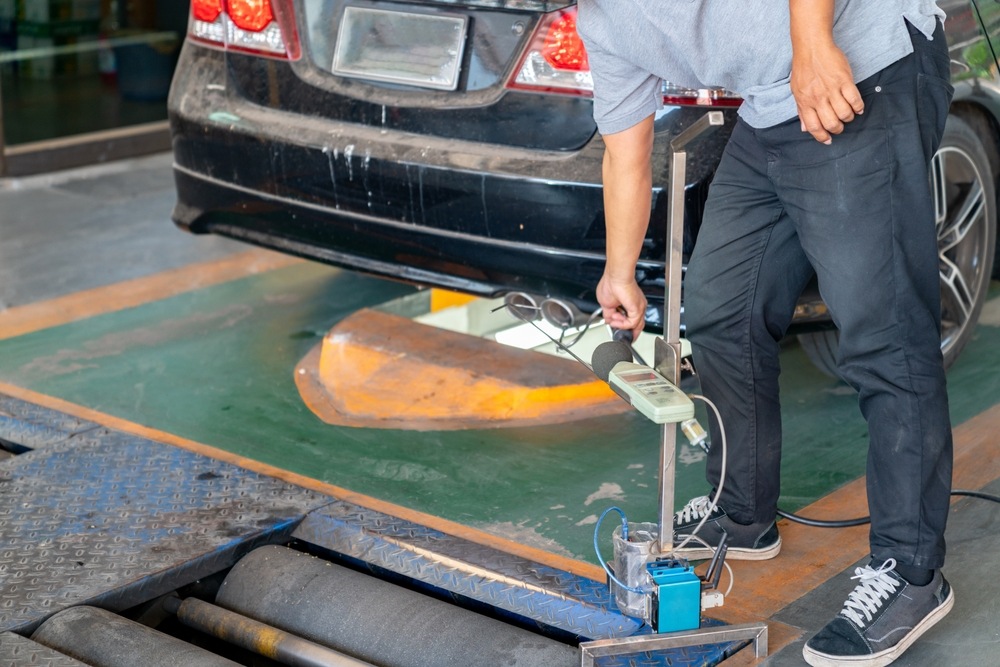
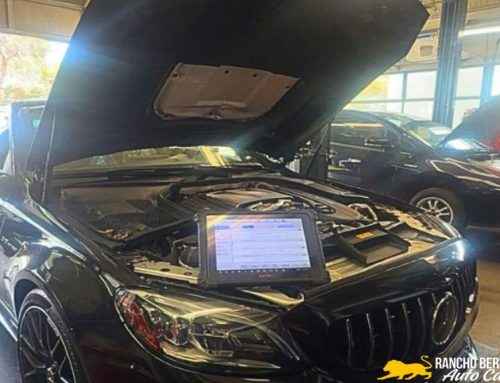
Modern smog tests don’t just look at what comes out of your tailpipe; they also scan your vehicle’s computer. During the inspection, the technician connects to your car’s onboard diagnostics system to check for stored trouble codes and system readiness. If the check engine light is on, it usually indicates an active fault code related to emissions, such as an oxygen sensor issue, a catalytic converter efficiency problem, or an EVAP system leak. Any of these can cause an automatic failure. Even if the light recently came on and the car still feels normal, the system will still flag the issue. That’s why clearing the light without fixing the problem is not a solution—it often makes things worse by resetting readiness monitors and causing another failure.
Common Reasons the Check Engine Light Triggers a Smog Failure
Some of the most common causes of a check engine light are also the most common reasons vehicles fail smog. Faulty oxygen sensors can throw off the air-fuel mixture, increasing emissions. A failing catalytic converter can no longer properly clean exhaust gases. Loose or damaged gas caps can trigger EVAP system codes that affect emissions testing. Misfires, vacuum leaks, and sensor failures also play a role. While some of these issues may seem minor, they directly impact how cleanly your vehicle runs. Addressing them before a smog test not only improves your chances of passing but also helps your car run more efficiently and reliably over time.
Why Diagnostics Matter Before a Smog Retest
If your vehicle fails smog due to a check engine light, guessing at repairs can quickly become expensive. Accurate diagnostics are the key to fixing the problem the right way the first time. By identifying the exact cause of the fault code, you avoid unnecessary part replacements and repeated test failures. Proper diagnostics also ensure that once repairs are made, the system is reset correctly and all readiness monitors complete their cycles before a retest. This step is critical because even a repaired vehicle can fail if the monitors aren’t ready. Taking the time to diagnose and repair the issue properly puts you in the best position to pass on the next attempt.
Getting Your Vehicle Ready to Pass with Confidence
If your check engine light is on and a smog test is due, the smartest move is to address the issue before heading to the testing station. Fixing the underlying problem, confirming the repair, and ensuring your vehicle is fully ready for inspection can save you time and stress. At Rancho Bernardo Auto Care, you get straightforward diagnostics and repairs designed to help your vehicle meet emissions requirements and perform at its best. If you want service backed by experience and real results, call (858) 524-6236 or fill out our online form to schedule your engine service and get ready for your smog retest with confidence.