



Related Posts
Soft or Spongy Brake Pedal: Causes and Solutions
Why a Firm Brake Pedal Matters Every Time You Drive
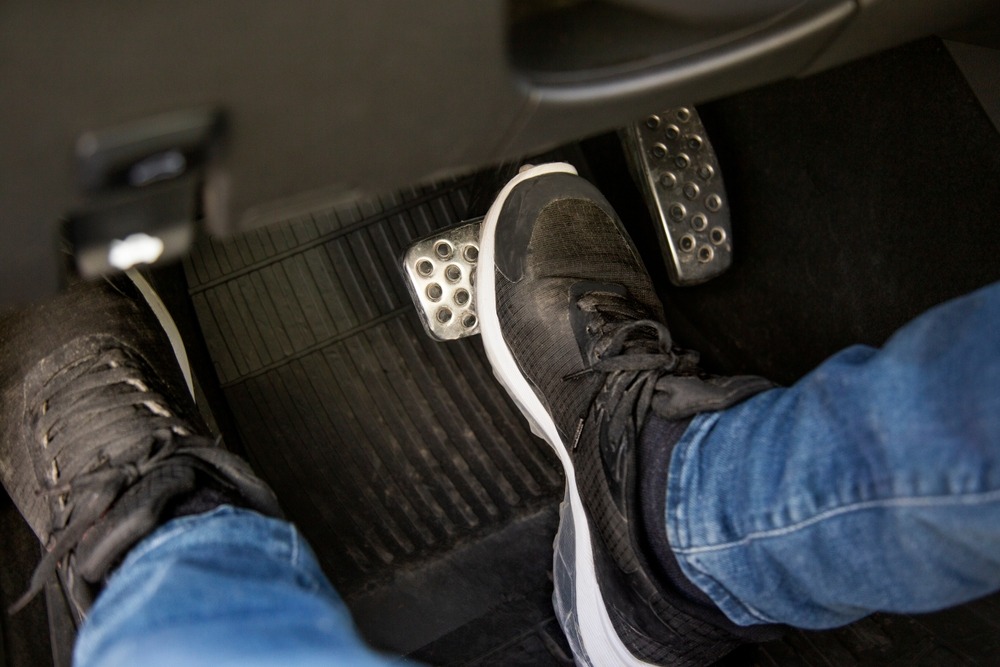
When you press the brake pedal, you expect an immediate, solid response. A firm pedal gives you confidence that your vehicle will slow down or stop exactly when needed. If the pedal feels soft or spongy, that confidence disappears quickly. Instead of a crisp reaction, the pedal may sink toward the floor or feel springy under your foot. This sensation usually means hydraulic pressure is not being applied effectively through the braking system. Because braking relies on fluid pressure rather than mechanical force alone, even a minor issue can affect how the pedal feels. Understanding why a firm pedal matters helps you recognise that a soft response is not just uncomfortable—it can directly impact stopping distance and overall safety during everyday driving.
Air in the Brake Lines and Fluid-Related Issues
One of the most common causes of a spongy brake pedal is air trapped in the brake lines. Brake systems depend on incompressible fluid to transfer force. Air, on the other hand, compresses easily. When air enters the system, part of your pedal effort goes toward compressing air bubbles instead of engaging the brakes. This results in a soft or sinking pedal. Low brake fluid levels, worn seals, or recent brake work can allow air to enter the brake system. Old or contaminated brake fluid can also contribute to the problem. Over time, brake fluid absorbs moisture, reducing its effectiveness and altering its pressure application. If fluid maintenance is overlooked, pedal feel often becomes less predictable, especially during sudden stops or downhill driving.
Worn Components That Affect Pedal Feel
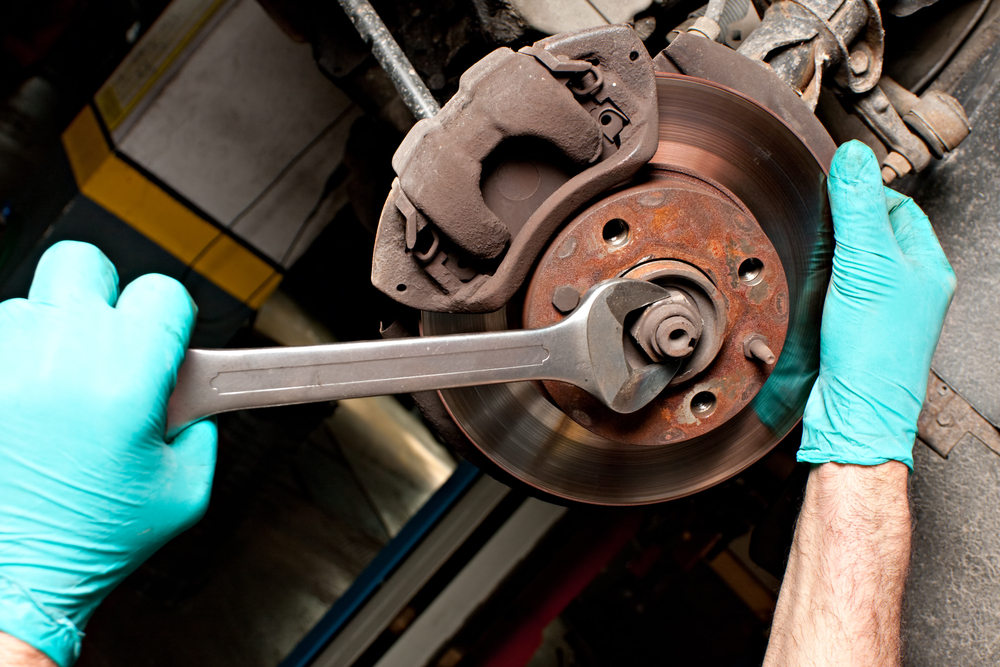
Brake pads and rotors are not the only parts that influence how your pedal feels. Flexible brake hoses, callipers, wheel cylinders, and master cylinder seals all play a role in maintaining pressure. As these components age, they can flex, leak, or lose efficiency. A failing master cylinder may allow fluid to bypass internal seals, causing the pedal to sink while pressure drops slowly. Rubber hoses can expand under pressure when they deteriorate, reducing pedal responsiveness. Even if stopping power seems acceptable at first, these issues often worsen over time. Recognising that a soft pedal may indicate internal wear helps you address the root cause rather than masking symptoms.
Driving Conditions That Can Worsen the Problem
Certain driving habits and conditions can make a spongy brake pedal more noticeable. Stop-and-go traffic, frequent braking on hills, towing, or carrying heavy loads all place extra demand on the braking system. Heat buildup from repeated braking can temporarily thin the fluid, affecting pedal firmness. In some cases, excessive heat can cause brake fade, making the pedal feel less responsive until the components cool down. Wet conditions can also introduce moisture into the system over time, especially if seals are already worn. When these factors combine with existing issues, pedal feel may fluctuate from day to day. Paying attention to when the problem appears can provide helpful clues about what is happening inside the system.
Restoring Brake Confidence with Proper Service
A soft or spongy brake pedal should never be ignored. The solution often involves bleeding the brake system to remove air, replacing old fluid, or repairing worn components that affect hydraulic pressure. Addressing the issue early helps restore firm pedal feel, consistent stopping power, and peace of mind behind the wheel. Brakes are one of the most critical safety systems in your vehicle, and proper maintenance keeps them responsive in all driving conditions. If your brake pedal feels soft, spongy, or unpredictable, call us at (858) 524-6236 or fill out our online form to schedule your engine service today.