



Related Posts
How Often Does a Diesel Engine Need a Tune-Up?
Understanding What a Diesel Tune-Up Really Means
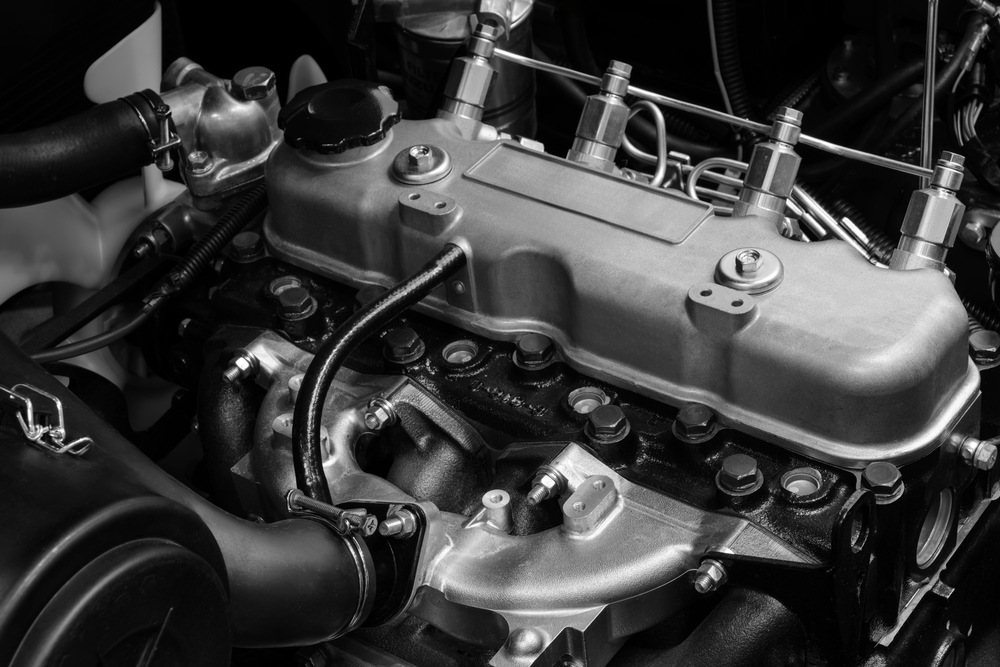
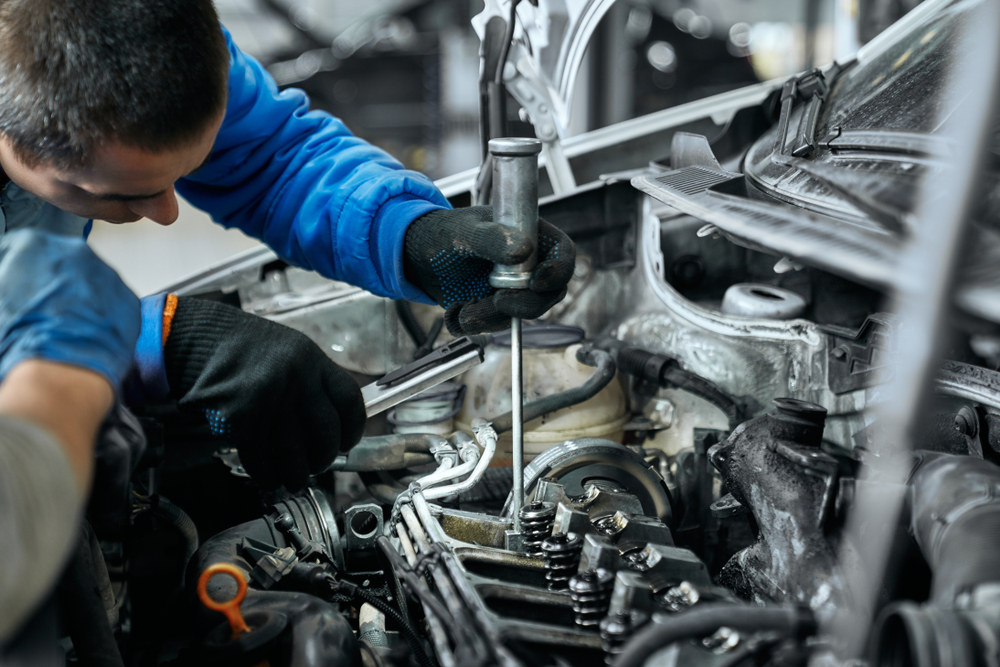
Your diesel engine operates differently from a gasoline engine, and that difference directly affects how often it needs service. Instead of spark plugs and ignition coils, diesel engines rely on compression, fuel injectors, glow plugs, and precise air-fuel delivery to run efficiently. A diesel tune-up focuses on maintaining these systems to keep combustion clean and controlled. This usually includes inspecting or replacing fuel filters, checking injectors, testing glow plugs, evaluating airflow, and reviewing engine diagnostics. When these components stay in proper condition, your engine runs smoother, pulls stronger under load, and uses fuel more efficiently. Knowing what a tune-up involves helps you understand why timing matters and why skipping service can slowly reduce performance without obvious warning signs.
Mileage, Driving Habits, and Service Intervals
How often your diesel engine needs a tune-up depends heavily on how you drive. If you rely on your vehicle for daily commuting, towing, hauling, or frequent stop-and-go traffic, engine components experience more stress. Many diesel engines benefit from inspections every 15,000 to 30,000 miles, with more in-depth service closer to the higher end of that range. Short trips, extended idling, and heavy loads can increase soot buildup and fuel system wear, potentially shortening the ideal interval. Highway driving at steady speeds is generally easier on the engine, but that does not eliminate the need for routine checks. Paying attention to mileage and usage patterns helps you service your engine before minor issues turn into expensive repairs.
Signs Your Diesel Engine Is Due for Attention
Your vehicle often gives subtle clues when a tune-up is overdue. Hard starts, rough idling, reduced power, excessive exhaust smoke, or lower fuel mileage all point to declining efficiency. You may also notice longer warm-up times or hesitation under acceleration. These changes usually develop gradually, making them easy to ignore until performance drops significantly. Diesel engines are known for durability, but that durability depends on proper maintenance. Ignoring these symptoms can lead to clogged injectors, restricted fuel flow, or incomplete combustion. Addressing concerns early helps restore smooth operation and prevents added strain on internal components.
Why Skipping Tune-Ups Costs More Over Time
Delaying diesel engine maintenance often leads to higher costs down the road. Dirty fuel filters force injectors to work harder, which can reduce spray quality and combustion efficiency. Worn glow plugs make cold starts more difficult and increase engine stress. Poor airflow and injector issues can raise exhaust temperatures and contribute to buildup inside the engine. Over time, these conditions affect reliability and may shorten engine life. What starts as a simple service interval can turn into injector replacement, sensor issues, or fuel system repairs. Staying on schedule keeps your engine running cleanly and helps you avoid unexpected downtime.
Keeping Your Diesel Engine Reliable and Efficient
Regular diesel tune-ups help maintain power, fuel efficiency, and long-term dependability. By servicing key components at the proper intervals, you protect your investment and ensure your vehicle is ready for daily demands. Whether you use your diesel for work, commuting, or hauling, consistent maintenance keeps performance steady and predictable. If you are unsure when your diesel engine was last serviced or want to stay ahead of potential issues, call us at (858) 524-6236 or fill out our online form to schedule your engine service today.