




Related Posts
How a Clean Air Filter Improves Fuel Efficiency
Why Your Engine Depends on Clean Air
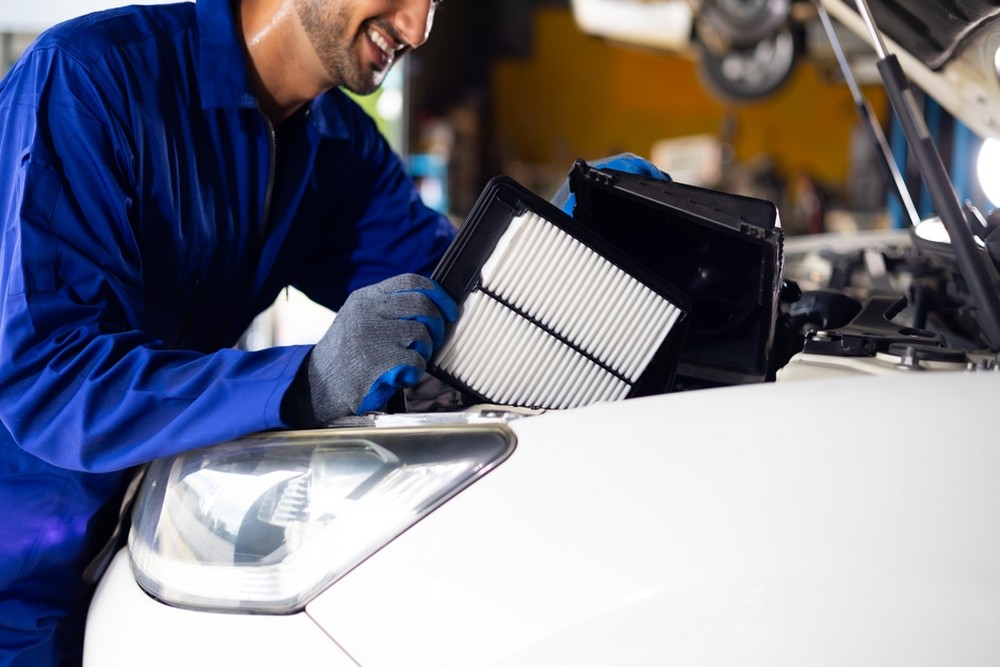
Your engine relies on a precise balance of air and fuel to run efficiently. Every time you start your vehicle, air flows through the air filter before entering the combustion chamber. When that filter is clean, air moves freely, supporting smooth, consistent combustion. However, when the filter becomes clogged with dust, dirt, and debris, airflow is restricted. Your engine then has to work harder to pull in the air it needs, disrupting that balance and leading to wasted fuel. You may not notice the change immediately, but over time, reduced airflow quietly lowers fuel efficiency. Keeping the air filter clean helps your engine breathe properly, which directly supports better mileage on every drive.
How a Dirty Air Filter Increases Fuel Use
When airflow is limited, your engine compensates by adjusting fuel delivery. This compensation often results in burning more fuel than necessary to maintain performance. You may experience sluggish acceleration, rough idling, or decreased responsiveness, especially during city driving. Each of these symptoms signals inefficiency, and inefficiency always costs more at the pump. A clogged air filter can also cause incomplete combustion, which means fuel is burned without producing useful power. Instead of helping your vehicle move forward, that fuel is wasted. Replacing or cleaning the air filter restores proper airflow, allowing your engine to operate closer to its intended efficiency range.
Everyday Driving and Air Filter Wear
Your driving environment plays a significant role in how quickly an air filter becomes dirty. Daily commutes, stop-and-go traffic, construction zones, and dusty roads all contribute to faster buildup inside the filter. Even short trips can introduce contaminants that slowly reduce airflow. If you frequently drive in traffic or park outdoors, your air filter likely works harder than expected. Over time, these conditions can reduce fuel efficiency without triggering a warning light. Regular inspections help catch problems early, ensuring your engine continues to receive clean air and maintains steady performance. Staying ahead of air filter wear supports smoother driving and more consistent fuel savings.
Fuel Efficiency, Performance, and Engine Health
A clean air filter does more than improve mileage; it also supports overall engine health. Proper airflow helps maintain stable combustion temperatures, reducing unnecessary strain on internal components. When your engine runs efficiently, it produces fewer emissions and experiences less buildup from unburned fuel. This efficiency supports smoother operation and reduces long-term wear. You may also notice improved throttle response and more consistent power during acceleration. All of these benefits connect back to a straightforward component that often goes overlooked. Maintaining a clean air filter keeps your engine running the way it was designed to, which translates into better fuel use and a more reliable driving experience.
Simple Maintenance That Pays Off Over Time
Replacing an air filter is a small maintenance step with measurable benefits. It helps you save money on fuel, supports engine performance, and reduces unnecessary wear caused by restricted airflow. When combined with routine engine checks, air filter maintenance becomes part of a more innovative approach to vehicle care. If you want to improve fuel efficiency and keep your engine running smoothly, call us at (858) 524-6236 or fill out our online form to schedule your engine service today.