



Related Posts
What Happens If You Ignore Transmission Warning Lights
Understanding What Your Transmission Warning Light Is Telling You
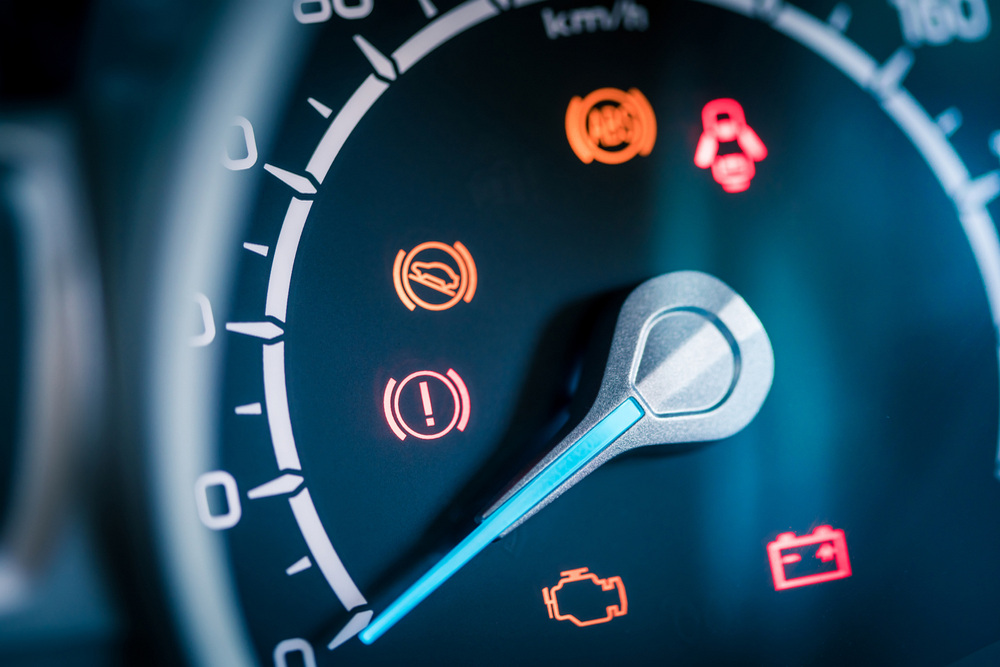
When your transmission warning light comes on, it’s easy to ignore it and hope it goes away. It might be a sensor glitch or something you can deal with later, especially if your car still feels like it’s driving normally. But that light is your vehicle’s way of telling you that something isn’t right inside one of the most essential systems in your car. Your transmission controls how power moves from your engine to your wheels, and when it’s not working correctly, every part of your driving experience becomes vulnerable. By understanding that the warning light is a signal, not a suggestion, you set yourself up to protect both your safety and your vehicle. Ignoring it may seem harmless at first, but the longer you wait, the more you risk expensive damage that could have been prevented.
How Ignoring Transmission Issues Leads to Performance Problems
Once that warning light appears, your vehicle is telling you that something is interrupting the smooth transfer of power. You may start feeling subtle changes — delayed shifting, rough gear changes, slipping, or hesitation when you accelerate. These signs may come and go at first, making it tempting to push them aside, but they tend to get worse over time. As parts inside the transmission continue to wear or lose pressure, your vehicle becomes less responsive. You’ll notice more strain on hills, slower acceleration, and a general feeling that your car is working harder than it should. Driving with these symptoms also puts extra stress on the engine, drivetrain, and cooling system. Instead of one isolated issue, you end up with a chain reaction that affects your entire vehicle. Addressing the warning light early prevents long-term performance problems and keeps your car running smoothly.
Why Delayed Action Can Lead to Costly Transmission Damage
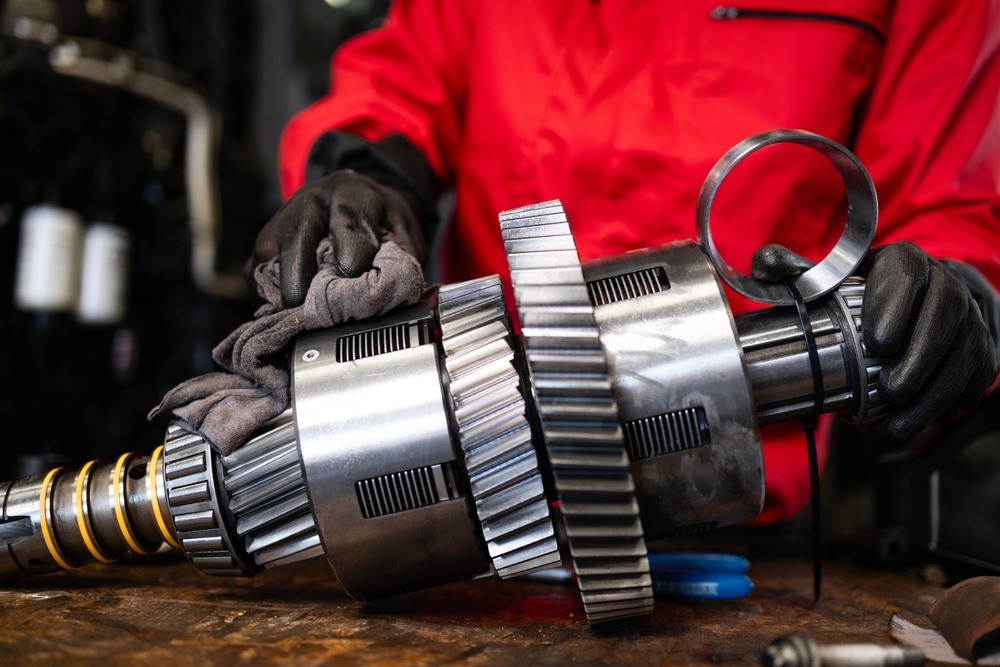
A transmission is made up of complex components that depend on proper lubrication, temperature control, and internal pressure. When something disrupts that balance — whether it’s a leak, a failing sensor, or worn internal parts — the transmission starts deteriorating faster. If you continue driving with low fluid or malfunctioning components, heat builds up, parts grind, and internal damage spreads quickly. What could have been a minor repair often turns into a major rebuild or full replacement. Transmission repairs are among the most expensive fixes a vehicle can need, and many result from issues left unchecked for too long. Responding to the warning light immediately gives your mechanic a chance to address the problem while it’s still manageable. Waiting only increases the risk of damage that impacts both your safety and your finances.
How Transmission Issues Affect Safety and Driving Stability
Your transmission plays a significant role in how your vehicle handles different driving situations. When it starts failing, your ability to accelerate, maintain speed, and respond to changing road conditions becomes unpredictable. You might experience sudden gear slips, unexpected jerking, or loss of power at moments when you need steady performance. These issues pose serious safety concerns, especially during freeway merging, passing other vehicles, or driving uphill. A failing transmission can also cause your vehicle to stall or lose power without warning, putting you and your passengers at risk. You depend on your transmission every time you drive, so addressing the warning light early isn’t just about preventing repairs — it’s about keeping yourself safe on the road every day.
Preventing Transmission Emergencies With Regular Maintenance
The best way to avoid transmission warning lights in the future is through consistent maintenance. When you stay ahead of fluid changes, inspections, and cleaning, you prevent buildup that causes many common transmission issues. With regular checks, your mechanic can spot leaks, worn components, or early signs of overheating long before they affect performance. You keep your transmission cooler, cleaner, and less likely to develop complications that lead to breakdowns or expensive repairs. Staying proactive also gives you peace of mind because you always know your vehicle’s proper health. Instead of reacting to warning lights, you make decisions that keep your car dependable, smooth, and ready for every drive.
If you want your vehicle to stay dependable for as long as possible, this is a great moment to give it the attention it deserves. Call us today at (858) 842-9818 to book your next service with Rancho Bernardo Auto Care.