


Related Posts
Why Bald Tires Are a Safety Hazard You Shouldn’t Ignore
Understanding Why Tire Condition Matters More Than You Think
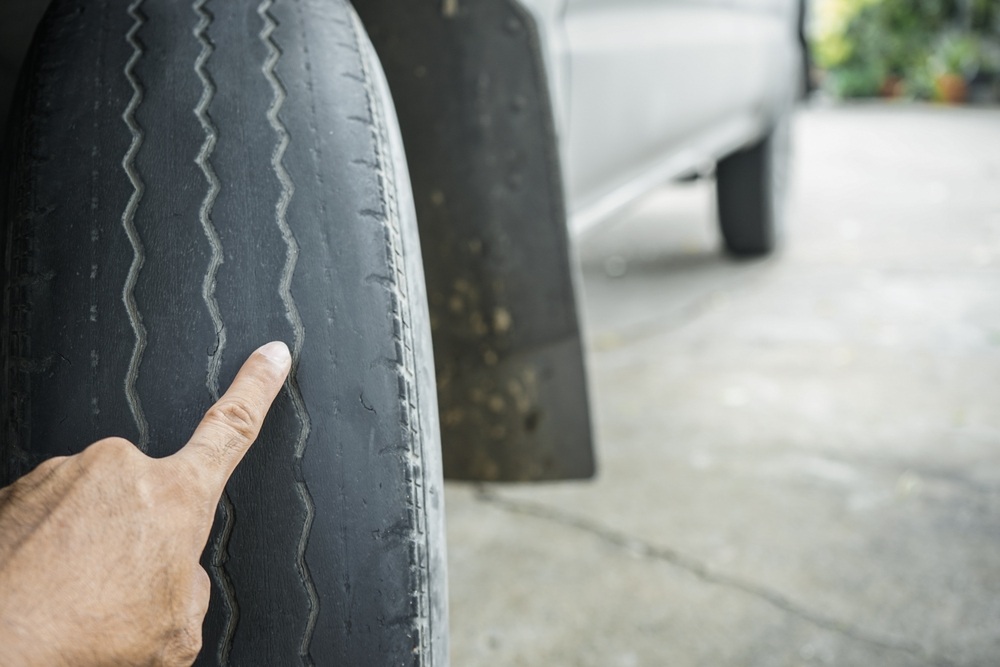
When you drive every day, it’s easy to forget how much responsibility your tires carry. They are the only part of your vehicle that touches the road, yet they’re often the most overlooked. When your tires start to wear down, you might not notice the gradual changes at first. The tread slowly thins, your stopping power decreases, and your overall traction weakens long before you realize how unsafe the situation has become. Bald tires don’t suddenly appear; they wear down inch by inch until you reach a point where your safety, your passengers, and your vehicle become vulnerable. When you understand how much of your control, stability, and responsiveness depend on proper tread, you start to see tire maintenance as essential rather than optional. A worn tire doesn’t just affect ride comfort — it affects your ability to react, avoid hazards, and stay steady on the road.
How Bald Tires Reduce Traction and Increase Stopping Distance
Once your tires lose tread, they lose their ability to grip the road effectively. You feel it in longer braking times, slight sliding during quick stops, and the subtle loss of confidence when turning. Your tread is designed to channel water away, provide surface grip, and maintain stability during sudden changes in direction. Without adequate tread, your tires can no longer push water out, so you start gliding on top of the road instead of staying connected to it. This dramatically increases your chance of hydroplaning, especially during San Diego’s sudden rainstorms. Even on dry pavement, bald tires require more distance to stop — often enough to turn a near miss into a collision. When your brakes work hard, but your tires can’t grip the surface, the risk grows with every mile. Instead of focusing only on your brake system, you also need to make sure your tires can support the stopping power you rely on.
Why Handling and Stability Decline as Tread Wears Down
Driving with worn tires doesn’t just change how you stop — it changes how your entire vehicle behaves. You may notice your steering feels less precise, your car drifts slightly on the freeway, or your vehicle doesn’t respond as quickly when you turn the wheel. That’s because tread plays a significant role in maintaining directional stability. With bald tires, your car struggles to stay aligned on uneven pavement, during lane changes, and on curved roads. As the tread wears down, your tires lose their grip on the road during quick maneuvers. This makes swerving away from hazards, avoiding debris, or staying steady in emergencies far more difficult. In addition, worn tires heat up faster, increasing the chances of a blowout — especially during long drives or hot weather. When your tires can’t support your vehicle’s weight or traction needs, your daily commute becomes riskier with every trip.
How Bald Tires Affect Fuel Efficiency and Long-Term Wear
Many drivers don’t realize bald tires can also impact fuel efficiency. When your tires don’t have proper tread, they cannot roll smoothly or maintain consistent contact with the road. This forces your engine to work harder to move the vehicle forward, which increases fuel consumption over time. In addition, uneven or excessively worn tires can cause vibration, which adds stress to your suspension, wheel bearings, and steering components. You may also experience irregular wear patterns, which can shorten the lifespan of your alignment and contribute to premature repairs. When you replace tires on time, you reduce strain on the rest of your vehicle and keep your fuel costs more manageable. Ignoring bald tires may seem like a minor inconvenience, but over months and years, the extra fuel, additional repairs, and accelerated wear all add up. Tire maintenance is one of the easiest ways to preserve your vehicle’s overall health and protect your budget.
Recognizing Warning Signs Before They Become Dangerous
You don’t have to wait for your tires to go completely bald before replacing them. There are clear signs you can watch for, including shallow tread depth, cracking, vibration, bulging sidewalls, and uneven wear. When you feel your car pulling to one side or notice that the tread looks smooth in certain areas, that’s your vehicle telling you it needs attention. Checking your tires regularly lets you address minor issues early, and partnering with a trusted mechanic ensures you always know their actual condition. The goal isn’t just to keep your car running — it’s to help you stay safe, avoid unexpected incidents, and keep your vehicle performing the way it should. When you prioritize tire health, you take control of your safety and protect your investment.
If you want your vehicle to stay reliable and responsive on the road, this is the perfect moment to give your tires and overall maintenance the attention they deserve. Call us today at (858) 842-9818 to book your next service with Rancho Bernardo Auto Care.