


Related Posts
5 Signs Your Car Battery Is Dying
Small Electrical Changes That Signal Bigger Trouble
Your car battery rarely fails without warning. Instead, it usually gives you subtle hints long before it completely stops working. You might notice that your headlights seem dimmer than usual, especially at night, or that interior lights flicker when you start the car. Power windows may move more slowly, and dashboard displays may appear dimmer or respond with a slight delay. These changes often occur gradually, making them easy to dismiss as minor annoyances. However, they are usually your first indication that your battery is losing its ability to hold and deliver a steady charge. Paying attention to these early electrical changes gives you time to act before you end up stuck with a car that won’t start.
Slow Starts and Unreliable Ignition
As your battery weakens, starting your car can feel different. Instead of a quick, confident start, the engine may crank more slowly or hesitate before turning over. You might hear a sluggish sound when you turn the key or press the start button, especially in the morning or after the car has been sitting for a while. This happens because the battery no longer consistently provides enough power to the starter. While your vehicle may still start for now, this delay is a clear sign that the battery is nearing the end of its useful life. Ignoring slow starts often leads to sudden failure at the most inconvenient time, such as when you’re rushing to work or heading out for an appointment.
Warning Lights and Dashboard Alerts
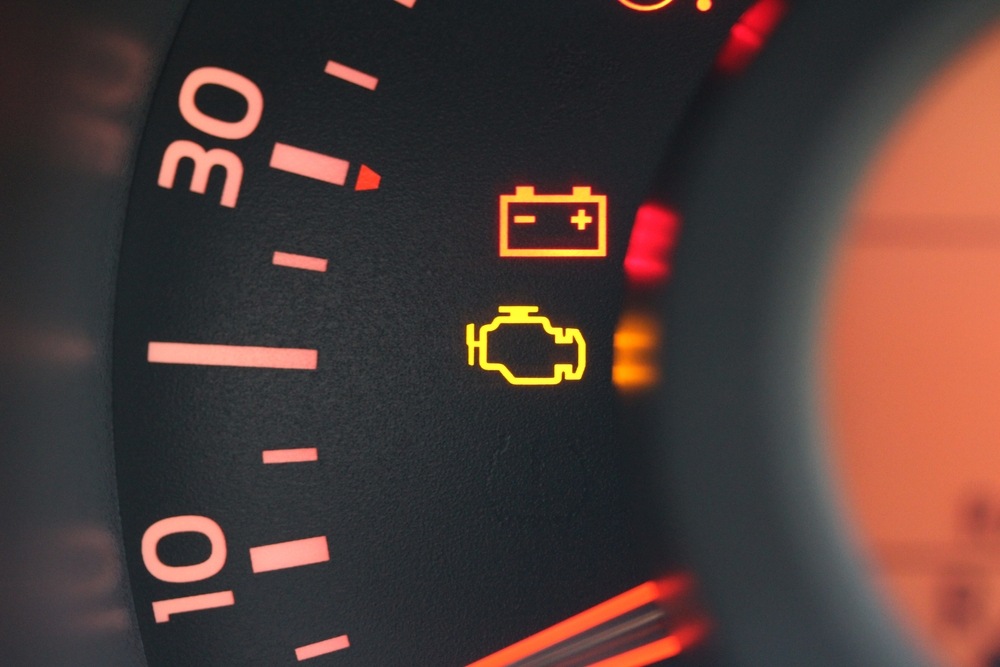
Modern vehicles rely heavily on electronics, so your dashboard can offer valuable clues about battery health. You may see a battery warning light or experience random warning messages that appear and disappear without an apparent reason. Sometimes these alerts are mistaken for sensor issues, but a weakening battery can cause inconsistent voltage that confuses onboard systems. When the electrical supply becomes unstable, computers and sensors struggle to function correctly. This can trigger alerts related to systems that are otherwise fine. When warning lights show up without a clear pattern, it’s often worth checking the battery before assuming something more complicated is wrong.
Corrosion, Odors, and Physical Clues Under the Hood
Your battery can also show visible signs of trouble. If you open the hood and notice corrosion around the battery terminals, that buildup can interfere with the flow of electricity. A white or bluish residue is a standard indicator that the battery is aging or leaking gas. You might also detect a sulfur-like smell, similar to rotten eggs, which can signal internal battery issues. These physical clues often accompany declining performance and should not be ignored. Even if your car still starts, corrosion and odors suggest that the battery is no longer in ideal condition and may soon fail.
When Battery Issues Affect Daily Reliability
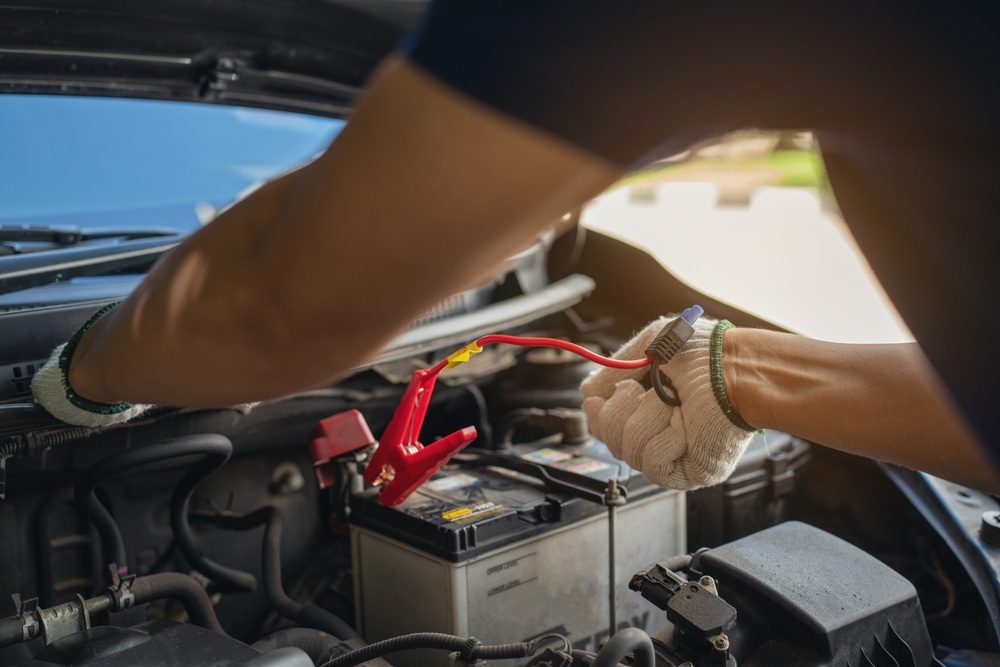
As battery problems progress, you may notice more frequent inconveniences. Accessories like the radio, navigation system, or charging ports may cut out unexpectedly. You might need jump-starts more often, or the car may fail to start after short stops. These disruptions affect your routine and create uncertainty every time you turn the key. A dependable battery is essential not only for starting your car but also for supporting all its electronic systems. If you want service backed by knowledge and proven results, call us at (858) 524-6236 or fill out our online form to schedule your engine service today.